Inverter Battery Options in Peshawar: Lithium vs Tubular 2026
Inverter Battery Options in Peshawar: Lithium vs Tubular 2026
The battery decision confuses every solar buyer in Peshawar. The installer quotes two options. Tubular batteries cost less today. Lithium costs more. Which actually saves money?
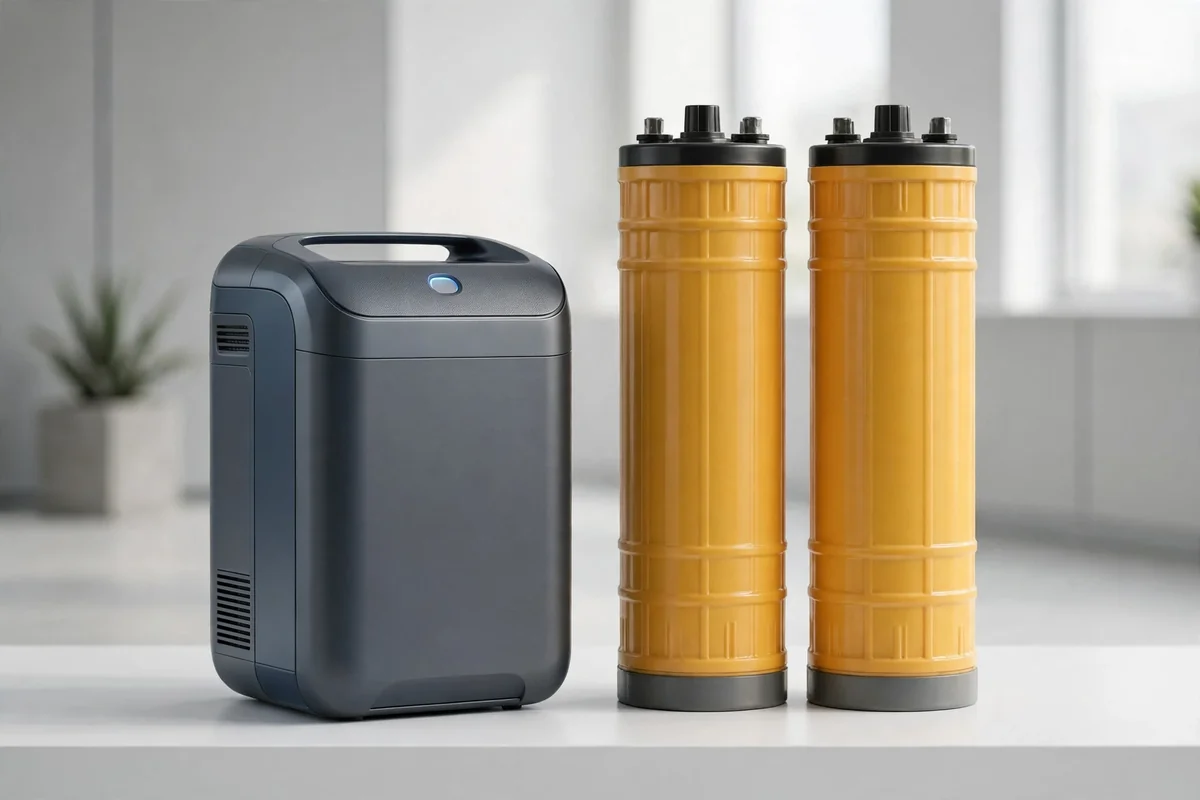
Table of Contents — Tap to Jump to a Section
This is the most expensive mistake in solar shopping. Choose wrong and you replace batteries every three years. Choose right and you forget about batteries for a decade.
This guide compares both options honestly. Real 2026 prices. Real lifespans in Peshawar heat. Ten-year true costs. By the end, the answer will be clear for your situation.
Meet the Two Contenders
Tubular batteries are the traditional choice. Tall, heavy lead-acid batteries. Brands like Phoenix, Osaka, and AGS dominate Peshawar shops. They need distilled water top-ups monthly. They have served Pakistani homes for decades.
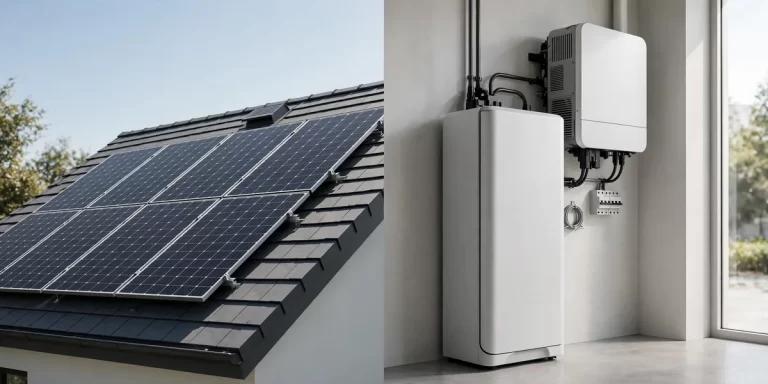
Lithium batteries (specifically LiFePO4) are the modern choice. Compact wall-mounted units. Brands like Knox, Dyness, Narada, and Pylontech lead the market. They need zero maintenance. They are taking over new installations rapidly.
Both store solar power for nighttime and load shedding use. They differ in lifespan, efficiency, maintenance, and total cost. Let us compare properly.
Which battery is best for solar in Pakistan? For most homeowners planning to stay 5+ years, lithium wins on total cost and convenience. For tight budgets or short-term needs, tubular remains viable. The details below explain why.
Head-to-Head Comparison
Lithium vs Tubular: Complete Comparison
| Feature | Lithium (LiFePO4) | Tall Tubular (Lead-Acid) |
|---|---|---|
| Usable capacity | 80-95% of rated | 40-50% of rated |
| Cycle life | 4,000-6,000 cycles | 300-1,200 cycles |
| Lifespan in Peshawar heat | 8-12 years | 2-4 years |
| Maintenance | Zero | Monthly water top-up |
| Charging speed | 1-2 hours | 8-12 hours |
| Weight (5 kWh equiv.) | ~50 kg | ~200 kg |
| Safety | BMS protected, sealed | Hydrogen gas emission |
| Space needed | Wall-mount, compact | Floor space, ventilated room |
| Upfront cost (5 kWh usable) | Rs 126,000-350,000 | Rs 150,000-300,000 |
The usable capacity row is critical. A 5 kWh lithium battery gives you 4.5+ kWh of actual power. A tubular bank rated 10 kWh gives only 5 kWh usable. You need double the tubular capacity for the same backup.
The 10-Year True Cost
Upfront price lies. Total ownership cost tells the truth. Here is the math over a decade.
10-Year Cost Comparison
| Cost Factor | Tubular Bank (48V) | 5 kWh Lithium |
|---|---|---|
| Initial purchase | Rs 200,000 | Rs 250,000 |
| Lifespan in Peshawar | ~3 years | ~11 years |
| Replacements in 10 years | 3 | 0 |
| Replacement cost | Rs 600,000+ | Rs 0 |
| Maintenance (water, checks) | Rs 30,000 | Rs 0 |
| Efficiency losses (extra units) | Rs 80,000+ | Minimal |
| 10-year total | Rs 910,000+ | Rs 250,000 |
Tubular looks cheaper on day one. Over ten years, it costs nearly four times more. This is not marketing. It is arithmetic. Every replacement, every maintenance visit, every wasted unit adds up.
How long do tubular batteries last in Peshawar? Typically 2-4 years with daily solar cycling. Peshawar’s summer heat (45°C+) accelerates degradation dramatically. Some last 5 years with gentle use and meticulous maintenance. Most do not.
Peshawar Heat: The Silent Battery Killer
Heat destroys batteries. Peshawar’s climate is brutal for energy storage. Summer temperatures cross 45°C. Battery rooms without ventilation hit 50°C+.
Lead-acid batteries suffer most. Every 10°C above 25°C halves their lifespan. A tubular battery rated for 5 years at 25°C may last only 2 years at 45°C. This is chemistry, not opinion.
Lithium LiFePO4 handles heat far better. Quality modules include a Battery Management System (BMS). It monitors temperature, reduces charging above 40°C, and shuts down at 55°C to prevent damage. The battery protects itself.
Still, placement matters for both types. Install batteries in shaded, ventilated areas. Never in direct sunlight. Never in sealed hot rooms. A cool battery room adds years to any battery’s life.
Heat Impact on Battery Life
| Battery Type | Life at 25°C | Life at 45°C+ | Heat Protection |
|---|---|---|---|
| Lithium LiFePO4 | 10-15 years | 8-10 years | Active BMS |
| Tall tubular | 4-5 years | 1.5-2 years | None (manual care) |
| Gel battery | 3-4 years | 1-1.5 years | None |
| Standard AGM | 2-3 years | Under 1 year | None |
How Much Battery Do You Actually Need?
Most buyers guess. Guessing leads to undersized banks that die young. Use this formula instead.
Backup load (watts) x backup hours = battery capacity (Wh).
A Gulbahar home running 4 fans (300W), lights (200W), and fridge (150W) needs 650W. For 4 hours of backup: 650 x 4 = 2,600 Wh. A 5 kWh lithium battery covers this with margin.
A Hayatabad home adding one inverter AC (1,200W) needs 1,850W total. For 4 hours: 7,400 Wh. That requires a 10 kWh lithium battery.
Battery Sizing Guide
| Your Backup Need | Lithium Size | Tubular Equivalent |
|---|---|---|
| Lights + fans (basic) | 5 kWh | 8x 200Ah batteries |
| Lights + fans + fridge | 5 kWh | 8x 200Ah batteries |
| Above + 1 inverter AC | 10 kWh | 16x 200Ah batteries |
| Above + 2 inverter ACs | 15-20 kWh | 24-32x 200Ah batteries |
Tubular needs double because you can only use 50% of rated capacity. Going below 50% regularly kills lead-acid batteries fast.
What size battery for a 5kW solar system? A 5 kWh lithium battery suits basic backup. For AC backup, step up to 10 kWh. Match battery to your evening load, not your panel size.
2026 Brand and Price Guide
Peshawar market prices for popular battery options.
Lithium Battery Options (48V/51.2V)
| Brand | Capacity | Price Range | Warranty |
|---|---|---|---|
| Knox Powerwall | 5.1 kWh | Rs 126,000-150,000 | 8-10 years |
| Dyness B4850 | 4.8 kWh | Rs 215,000-250,000 | 8-10 years |
| Narada NPFC | 4.8 kWh | Rs 235,000-270,000 | 10-12 years |
| Pylontech US5000 | 4.8 kWh | Rs 300,000-350,000 | 10 years |
| Inverex Powerwall | 5 kWh | Rs 450,000-545,000 | 5 years |
Tubular Battery Options (12V each, need 4 for 48V)
| Brand | Capacity | Price (per battery) | 4-Battery Bank |
|---|---|---|---|
| Phoenix TX1800 | 200Ah | Rs 55,000-65,000 | Rs 220,000-260,000 |
| Osaka Tall Tubular | 200Ah | Rs 50,000-60,000 | Rs 200,000-240,000 |
| AGS Tall Tubular | 200Ah | Rs 52,000-62,000 | Rs 208,000-248,000 |
Knox offers the best value in lithium right now. Pylontech leads on global reputation. Inverex provides the strongest local service network. Choose based on your priority: price, prestige, or support.
When Tubular Still Makes Sense
Lithium wins most comparisons. But tubular has three valid use cases.
You rent your home. If you might move within two years, tubular’s lower upfront cost makes sense. Do not invest in a 10-year battery for a 2-year stay.
Your budget is absolutely fixed. Some families can only afford tubular today. A working system with tubular beats no system at all. Upgrade to lithium when the tubular bank dies.
You have free maintenance help. If someone in the house reliably tops up distilled water monthly and checks connections, tubular lasts longer. Neglected tubular dies fastest.
For everyone else, lithium is the smarter buy. The math is not close over a decade.
Maintenance Realities
Tubular batteries demand attention. Check water levels monthly. Use only distilled water. Never tap water. Minerals in tap water destroy plates. Clean terminals quarterly. White corrosion buildup signals problems.
Keep the battery room ventilated. Charging releases hydrogen gas. In a sealed room, this creates explosion risk. This is not theoretical. It has caused real incidents.
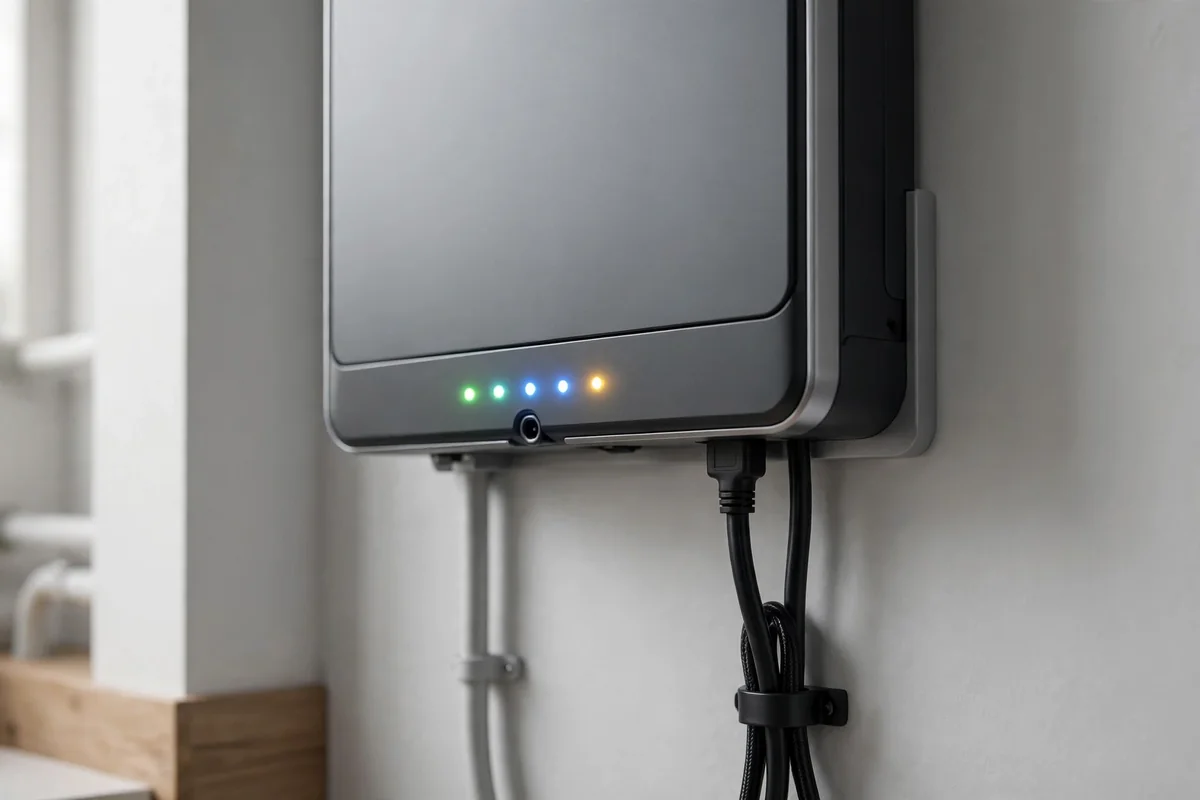
Lithium needs nothing. No water. No terminal cleaning. No ventilation worries. The BMS handles everything internally. Mount it on the wall and forget it for a decade.
Do lithium batteries need maintenance? No. LiFePO4 batteries with built-in BMS are maintenance-free. No water top-ups, no equalization charges, no terminal cleaning. This alone saves hours yearly.
Frequently Asked Questions
What is the price of a lithium battery in Pakistan in 2026?
A 5 kWh LiFePO4 battery costs Rs 225,000-350,000 depending on brand (Rs 45,000–70,000 per kWh). Knox starts near Rs 130,000. Premium Pylontech reaches Rs 350,000. A 10 kWh setup doubles these figures roughly.
How long does a lithium solar battery last?
Quality LiFePO4 batteries last 10-12 years in Peshawar conditions. They handle 4,000-6,000 charge cycles. Even in heat, the BMS protection preserves lifespan far beyond lead-acid alternatives.
Can I mix old and new batteries?
Never mix different ages, brands, or types. The weakest battery drags down the entire bank. When expanding, ideally replace the full bank. At minimum, match brand, capacity, and age closely.
Is it safe to keep batteries inside the house?
Lithium LiFePO4 is safe indoors. It is sealed with no gas emission. Tubular batteries need ventilated spaces due to hydrogen gas. Never place tubular banks in bedrooms or sealed storerooms.
What happens when my battery dies?
Tubular failure is gradual. Backup time shrinks over months. Lithium BMS will warn via app before failure. Plan replacement when backup drops below your needs. Do not wait for total failure.
Can I add more batteries later?
Yes, with planning. Lithium modules stack easily if you buy the same brand and model. Tubular banks should be expanded within the first year. Mixing old and new tubular batteries reduces overall life.
Choose Once, Choose Right
The battery decision echoes for a decade. Tubular tempts with low upfront cost. Lithium rewards with a decade of trouble-free service. For most Peshawar homeowners, lithium is the clear winner.
Still unsure? Your evening load decides. Tell us what runs after sunset. We will size the exact battery you need. No overselling. No undersizing.
WhatsApp 0301-5905082 for a free battery consultation. Or visit us at Nasir Bagh Road, Badizi Stop, Khalil Plaza, Shop #09, Peshawar.