Net Billing in Peshawar 2026: New Buyback Rate & What It Means for Your Bill
Net Billing in Peshawar 2026: New Buyback Rate & What It Means for Your Bill
NEPRA changed the rules for solar owners in 2026. The old net metering system is closed to new applicants. In its place: net billing. The headline change is the buyback rate — the price PESCO pays for your exported units. This guide explains net billing Peshawar 2026 in plain words: the new rate, how your bill is calculated, and what it means for your savings.
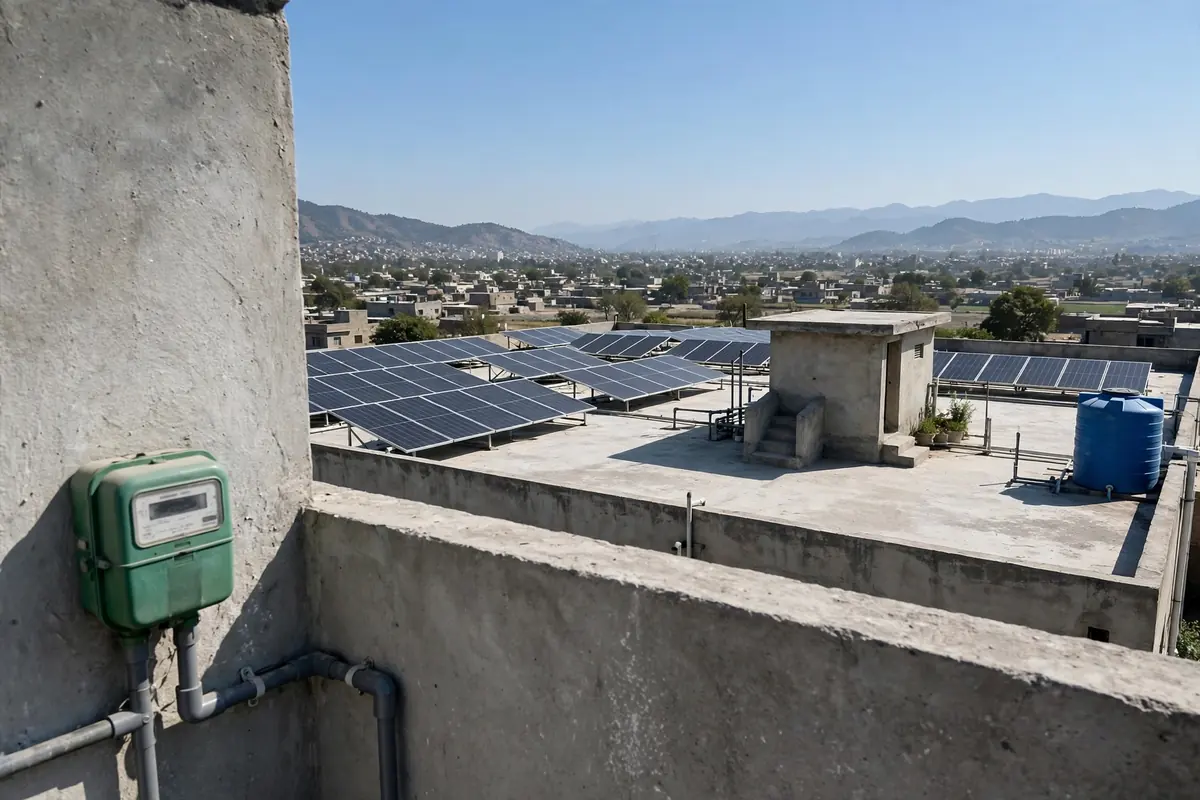
Table of Contents — Tap to Jump to a Section
Who should read this guide? Anyone with panels already on the roof, or anyone about to buy. If your system exports power to PESCO, net billing changes your maths. If you use most of your power in the day, the change barely touches you.
What Net Billing Actually Is
Net billing is the new way PESCO pays you for solar power. It started in 2026 under the NEPRA Prosumer Regulations (SRO 251(I)/2026). The rule applies to new solar connections. Old net metering agreements stay on their old terms until they end.
The change is simple. Under net metering, one exported unit cancelled one imported unit. Your bill only counted the difference. Under net billing, the two are priced apart. You buy power at your slab rate. You sell power at the buyback rate. The two rates are very different.
Think of it as two meters in one bill. PESCO counts what you take from the grid. It also counts what you send to the grid. Each side gets its own price. Your bill is the difference between the two amounts.
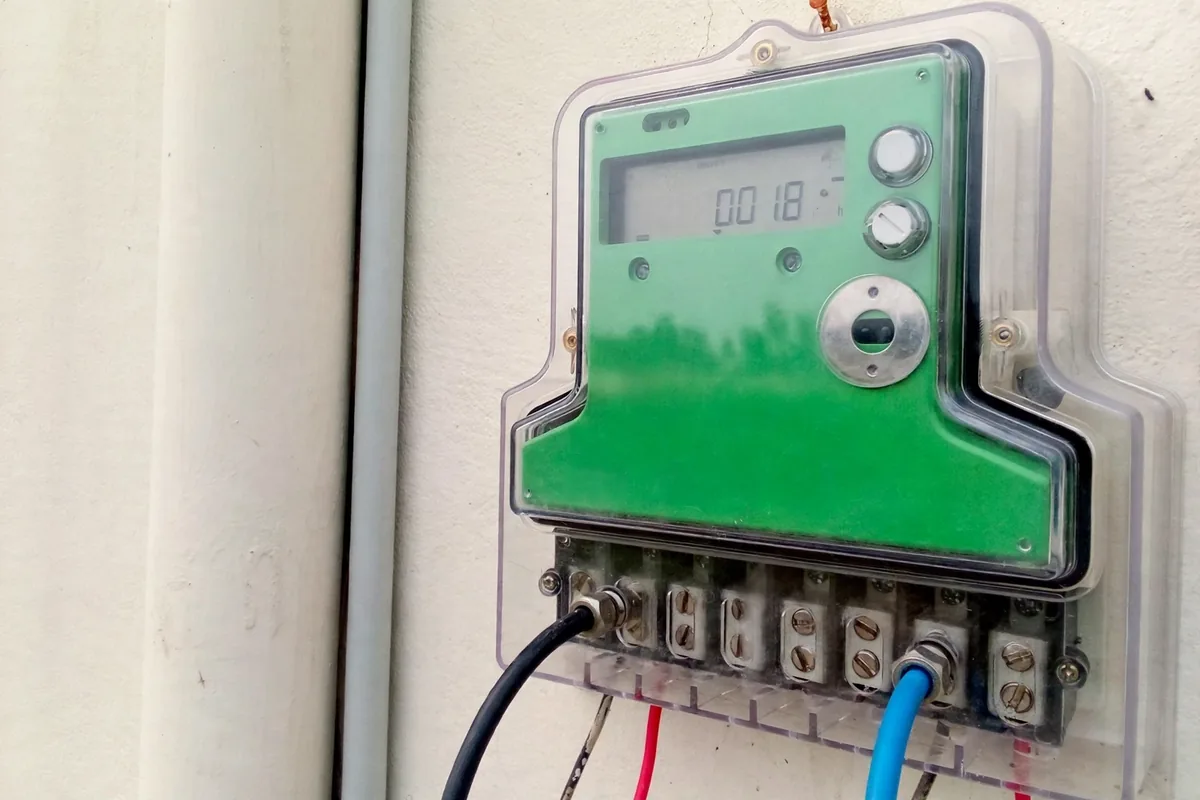
The system needs a bidirectional meter, often called a green meter. It records import and export separately. Without it, PESCO cannot run net billing.
Net billing prices exports closer to what power actually costs to generate and move. The old one-for-one swap paid the full retail rate for exported power. That is the core of the change, and it is why the buyback rate is far below your slab rate.
Not sure what size system fits your home? Read our 3kW vs 5kW vs 10kW sizing guide before you decide.
The New Buyback Rate
The buyback rate is the price PESCO pays for each unit you export. In November 2026 it was reported at about Rs 8 to Rs 11 per unit. That is the number to check before you sign anything. NEPRA can revise it, so confirm the current rate at the time you apply.
Under net billing Peshawar 2026 rules, every exported unit earns the buyback rate — not your slab rate. The gap between the two rates is where your savings change.
Compare that with your import rate. On the 201 to 300 unit slab, you pay Rs 33.10 per unit. An exported unit earns roughly a third of that. On the 501 to 600 slab, you pay Rs 40.22. The gap is even wider.
The lesson is plain. A unit you use yourself is worth the full slab rate. A unit you export is worth the buyback rate. Self-use now pays three to four times more than export.
| Monthly units | Import rate (Rs/unit) | Export value (Rs/unit) |
|---|---|---|
| 201–300 | 33.10 | ~8–11 |
| 301–400 | 36.46 | ~8–11 |
| 401–500 | 38.95 | ~8–11 |
| 501–600 | 40.22 | ~8–11 |
| 601–700 | 41.85 | ~8–11 |
| Above 700 | 47.20 | ~8–11 |
Import rates are PESCO tariffs under SRO 279(I)/2026. Unprotected consumers pay all units at a single slab rate, set by total monthly use. The export value is the reported buyback range — confirm it before you apply.
Does the buyback rate change every year? It can. NEPRA sets the rate, and it can revise it. Your agreement locks the rules for its term, but the rate itself is set by the regulator. Check the current rate, not last year’s.
How Your Bill Is Calculated Now
Your bill has three parts now. Import charges, export credit, and fixed charges plus taxes. Import charges are your night-time and cloudy-day units times your slab rate. Export credit is your exported units times the buyback rate. Fixed charges stay the same.
Here is a worked example for a 5kW home in June. The system generates 600 units. The home uses 400 units in the day. It exports 200 units. It imports 250 units at night.
| Bill line | Units | Rate | Amount |
|---|---|---|---|
| Import (night use) | 250 | Rs 33.10 | Rs 8,275 |
| Export credit | 200 | Rs 10 | −Rs 2,000 |
| Net energy charge | Rs 6,275 |
Fixed charges and taxes come on top of that figure. Under old net metering, the same home would have paid for 50 net units only — about Rs 1,655. The new bill is higher. That gap is the real cost of the rule change for homes that export a lot.
One detail matters. Unprotected consumers pay all units at a single slab rate. The slab is set by your total monthly use. Check your bill to see which slab you sit on.
Your bill now shows import and export as separate lines. Read both. If the export line is bigger than the import line, your system is oversized for your daytime load.
Who Gains and Who Loses
Daytime users gain the most. Shops open in the day use their own power as it is made. Offices, schools, and clinics do the same. Homes that run the washing machine, the water pump, and the iron in daylight self-consume most of what they make. For them, net billing changes very little.
Heavy exporters lose the most. A home empty in the day sends most of its power to the grid. A big system on a small load does the same. A holiday home with panels is the worst case. Most generation goes out at the low buyback rate.
The fix is not to remove panels. It is to shift loads into the day. Run the washing machine at noon. Run the water pump at noon. Charge the UPS batteries in the day. Every unit shifted from export to self-use earns the slab rate instead of the buyback rate.
The second fix is sizing. Size the system to your daytime load, not your roof. A 5kW system for a home that uses 300 units a month will export most of its power. A 3kW system for the same home earns nearly the same savings for far less money.
Size the system to your daytime load. Read our 3kW vs 5kW vs 10kW sizing guide to match the system to your bill.
Net Billing Costs, Fees & Timeline
The money side of net billing is small next to the system cost. The fee is set by NEPRA. The meter and paperwork cost far more. Get the full quote in writing before you apply.
| Item | Estimated cost |
|---|---|
| NEPRA fee | Rs 1,000 per kW |
| Green (bidirectional) meter + application package | Rs 60,000–150,000 |
| PESCO inspection | Included in the package |
| Agreement term | 5 years |
| Application portal | PITC — nmp.pitc.com.pk |
On a 5kW system, the NEPRA fee is Rs 5,000. The meter and paperwork are the real cost. Some installers quote the full package in the system price. Others charge it apart. Ask which one your quote covers.
The agreement runs for five years. After that, the rules in force at the time will apply. Keep a copy of your agreement, your meter readings, and your application receipt.
The timeline varies by area and by workload at PESCO. Application, inspection, meter install, and agreement signing can take weeks. Start the file early, before the panels go up, so exports earn credit from day one.
How to Apply for Net Billing in Peshawar
The process has six steps. First, confirm your sanctioned load. Your system size cannot exceed it. Second, apply on the PITC portal at nmp.pitc.com.pk. Third, PESCO inspects your site and wiring. Fourth, PESCO installs the bidirectional meter. Fifth, sign the five-year agreement. Sixth, your exports start earning credit.
You will need four documents. A CNIC copy. Your latest PESCO bill. Proof of ownership or tenancy. And the system specification sheet from your installer.
Most installers handle the whole file for you. Ask who files the application and who pays the fees. Get it in writing. If the installer files it, ask for the application number so you can track it yourself.
Book a free site survey and we will size your system from your actual bills.
Should You Still Install Solar in 2026?
Yes — if you size it to your daytime load. A right-sized system still cuts the bill hard. The payback is longer than under old net metering, but the power is still far cheaper than grid power.
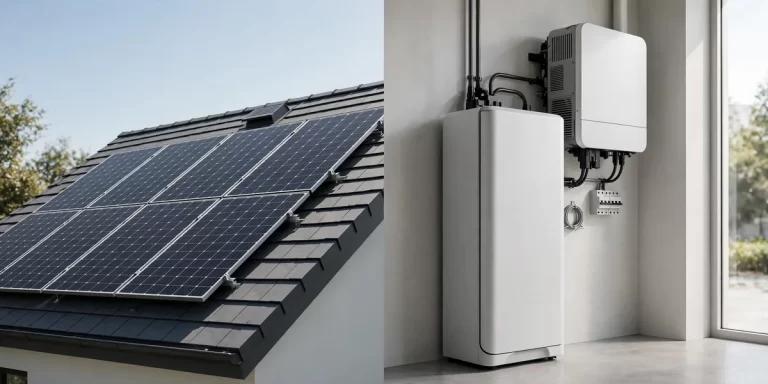
A battery changes the maths again. It stores daytime solar for the evening. That raises self-use and cuts imports. It also adds real cost. The battery only pays if your evening load is large. For most homes, the right size comes first and the battery comes later.
Do not oversize. Extra panels that only export earn the buyback rate. Spend that money on the right size, good panels, and a proper structure instead.
Solar still beats the alternative. Grid tariffs rise most years. A panel bought today makes power at a fixed cost for 25 years. Net billing trims the export cheque. It does not kill the case for solar.
Frequently Asked Questions
What is the buyback rate under net billing Peshawar 2026?
It was reported at about Rs 8 to Rs 11 per unit in November 2026. NEPRA sets the rate and can revise it, so confirm the current rate before you sign your agreement.
Is net metering still available in Peshawar?
Not for new applicants. New solar connections go on net billing. Existing net metering customers keep their current agreement until its term ends.
How much can I earn by exporting solar power?
Work it out as a bill credit, not cash. Two hundred exported units at Rs 10 each is a Rs 2,000 credit on your bill. The credit cuts what you owe. It is not paid out as money.
Do I need a green meter for net billing?
Yes. A bidirectional meter records import and export as separate readings. PESCO installs it after the site inspection. Without it, exports cannot be measured or credited.
Does net billing change my payback period?
Yes, for oversized systems it stretches payback. A right-sized system with high daytime use barely changes. A typical home should expect roughly 4 to 5 years instead of 3 to 4.
Can I export unlimited units to PESCO?
No. Export is limited by your sanctioned load and your system size. Your system cannot exceed your sanctioned load. Check your bill for your sanctioned load before you size the system.
Get Your Net Billing Quote in Peshawar
Net billing rewards homes that use their own solar power in the day. It punishes oversized systems that only export. The difference is not the panels — it is the sizing, the daytime load, and the paperwork done right.
Ask us for a net billing Peshawar 2026 assessment — free site survey across Hayatabad, DHA Peshawar, University Town, Gulbahar, and Tehkal. Bring your last three PESCO bills. We will check your daytime load, your sanctioned load, and tell you honestly whether solar still pays for your home. WhatsApp 0301-5905082 today.