Regi Model Town: Solar for Under-Construction Houses
Regi Model Town: Solar for Under-Construction Houses
Building a house in Regi Model Town? Plan your solar system now. Not after you move in. Construction-stage planning saves real money. It gives cleaner wiring. It avoids broken walls later.
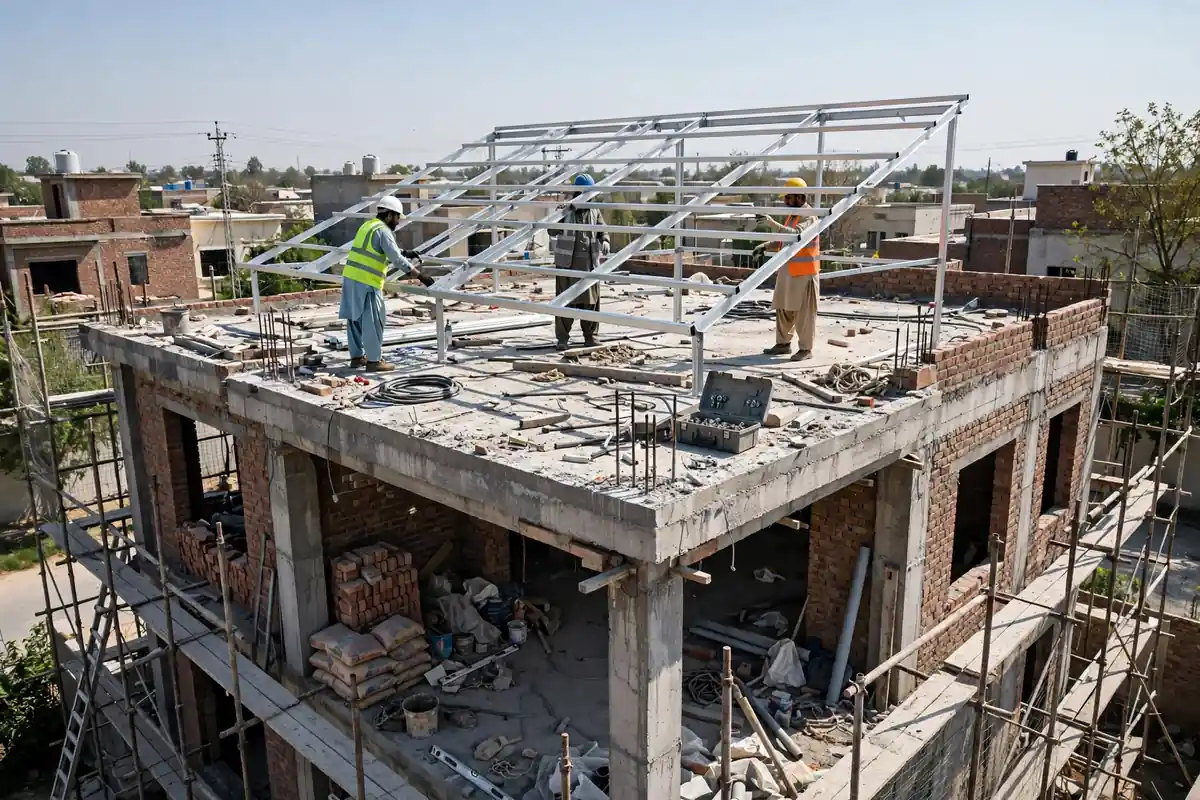
Table of Contents — Tap to Jump to a Section
- 01Why Regi Model Town Suits Solar Perfectly
- 02What Pre-Planning Actually Means
- 03Construction-Stage Solar Checklist
- 04Working With Your Builder or Contractor
- 05Pre-Plan vs Retrofit: Cost Comparison
- 06RMT Zone-Wise Planning Notes
- 07Sizing Your System Before the House Is…
- 08Net Metering Paperwork for New Houses
- 09Common Mistakes RMT Builders Make
- 10Why Solar Installation Regi Model Town…
- 11FAQs
Most RMT homeowners call us after finishing their house. Then we drill through fresh paint. We open new walls for conduit. The job costs more and looks worse. A short planning meeting during construction prevents all of that.
If you searched for solar installation regi model town, this guide is for you. It covers RMT's developing-zone reality. It shows what to plan at each construction stage. It explains how to work with your builder on solar.
Why Regi Model Town Suits Solar Perfectly
RMT is a developing housing scheme. Plots are still opening up. Streets are still taking shape. New houses rise every month. This growth phase is your advantage.
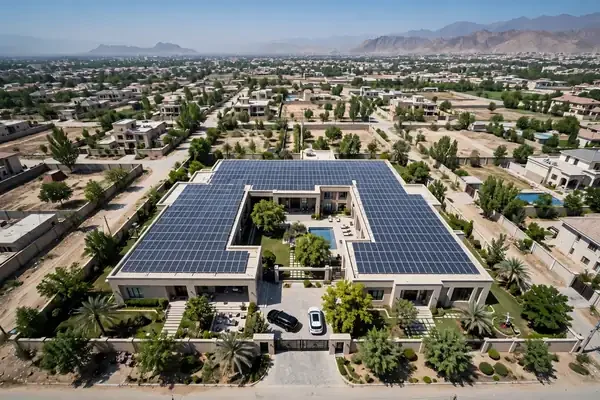
New roofs are clean and unshaded. Neighboring plots may stay empty for years. Your panels get full sun all day. Older localities cannot offer that.
The grid in developing zones can be unstable. New connections face delays. Voltage can fluctuate during peak hours. Solar with net metering gives you independence from these issues.
RMT homes are mostly new construction. That means modern wiring and strong roofs. Both suit solar perfectly. Retrofitting old houses costs more. You get to skip that problem entirely.
What Pre-Planning Actually Means
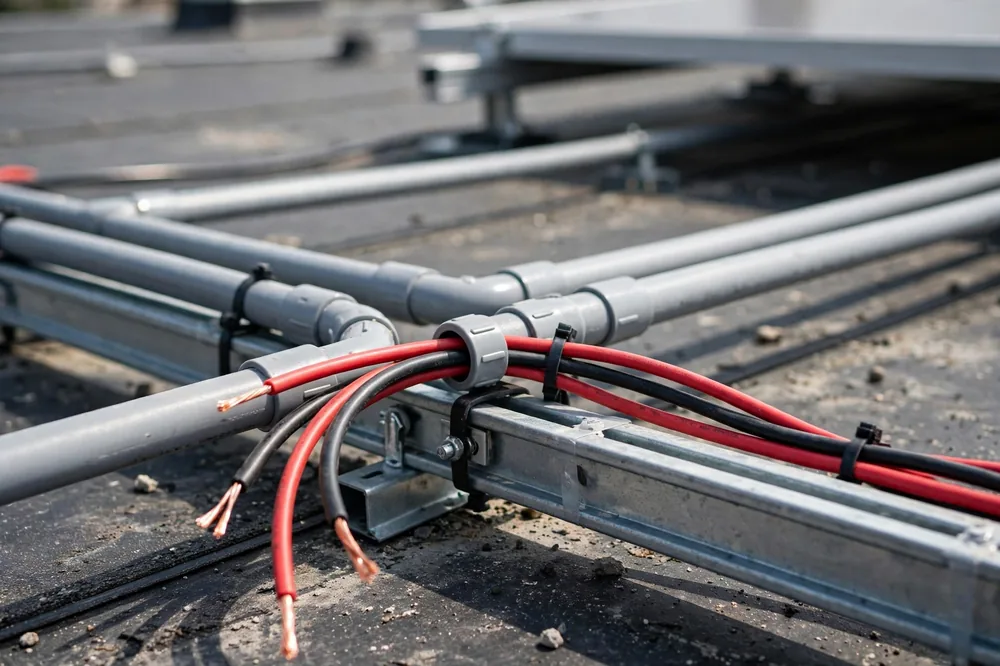
Pre-planning means leaving paths for solar cables. It means placing the distribution board wisely. It means choosing the inverter spot early. Small decisions now save big money later.
Think of it like plumbing. You would never build walls before laying water pipes. Solar conduit deserves the same thinking. Cables need a clean route from roof to inverter to meter.
Most builders skip this step. They wire the house for PESCO only. Then solar installers improvise later. Surface-mounted pipes ruin your interior look. Plan the hidden route during grey structure stage.
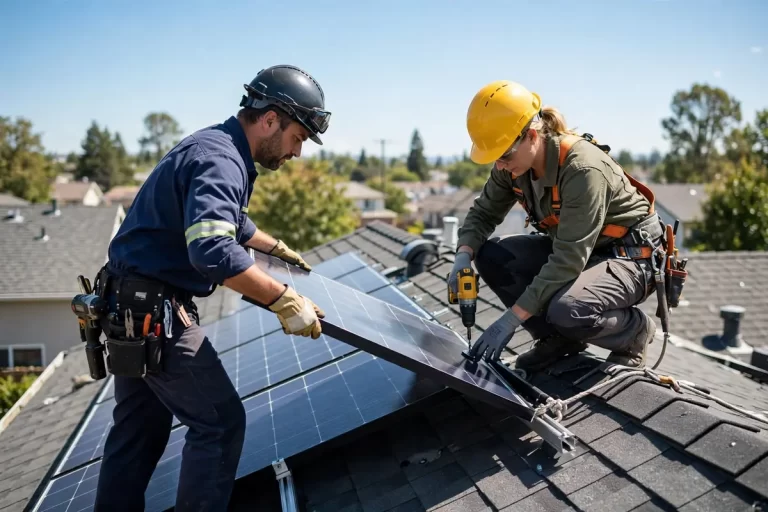
Solar installation regi model town projects go smoothest at grey structure stage. Walls are still open. The electrician is still on site. Changes cost almost nothing at that point.
Construction-Stage Solar Checklist
Use this table with your builder. Tick each item at the right stage.
| Construction Stage | Solar Task | Why It Matters |
|---|---|---|
| Foundation and grey structure | Lay empty conduit from roof to DB | Avoids drilling finished walls |
| Grey structure | Fix inverter room or wall spot | Keeps inverter cool and accessible |
| Electrical wiring | Run separate solar breaker slots in DB | Clean load separation for net metering |
| Electrical wiring | Install proper earthing pit | Required for net metering approval |
| Roof slab | Mark panel layout area, avoid mumty shade | Prevents shading mistakes |
| Roof slab | Add waterproof cable entry point | Stops roof leakage later |
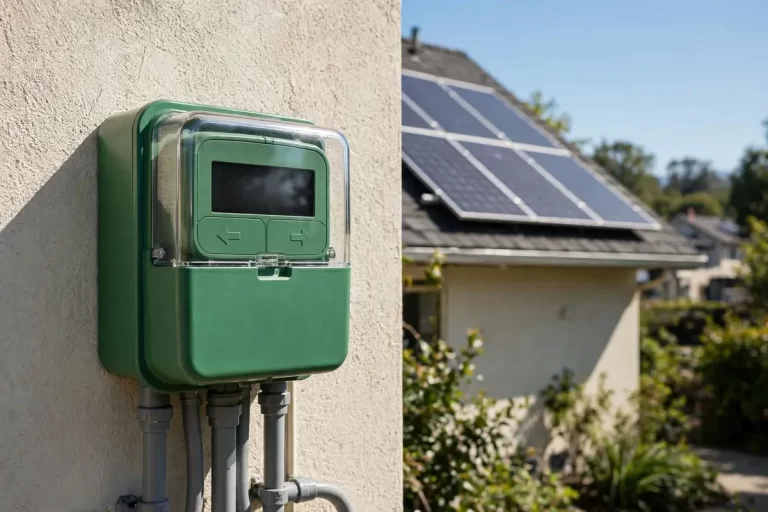
| Finishing | Keep PESCO meter spot accessible | Net metering needs meter swap access |
| Before possession | Final site survey and system sizing | Confirms actual roof and load |
Earthing deserves special attention. PESCO net metering needs proper earthing. Adding an earth pit after construction costs more. Dig it during the foundation stage instead.
The inverter spot matters too. Inverters need ventilation and shade. A store room or shaded wall works well. Decide the spot before paint and tiles.
Working With Your Builder or Contractor
Talk to your builder early. Tell him solar is coming. Most RMT builders now expect this. Many have done it before.
Give your builder our conduit layout. We share it free during surveys. He lays two empty PVC pipes. One runs from roof to inverter spot. One runs from inverter spot to the main DB. That is the whole job.
Confirm who buys the pipes. Small cost, but clarify it. Usually the electrical contractor includes it. Get it in writing to avoid disputes.
Ask your builder about roof load capacity. Solar structures add weight . Standard RCC roofs handle it easily. Confirm with your structural plan anyway.
Visit the site during electrical work. Check the conduit yourself. Pipes get skipped when nobody watches. One site visit saves a retrofit later.
Pre-Plan vs Retrofit: Cost Comparison
| Item | Pre-Planned During Construction | Retrofit After Completion |
|---|---|---|
| Cable routing | Hidden conduit, near zero extra cost | Surface pipes or wall cutting |
| Inverter placement | Planned ventilated spot | Compromise spot, longer cables |
| Earthing | Pit dug with foundation work | Separate digging, lawn damage |
| DB modifications | Slots reserved from day one | Breaker box rework |
| Roof waterproofing | Cable entries sealed during slab work | Drilling risks leakage |
| Overall look | Clean, invisible wiring | Visible pipes and patches |
Exact retrofit costs vary by house. But the pattern holds everywhere. Pre-planning always costs less. It also looks far better.
Homeowners in Hayatabad learned this the hard way. Many paid for wall repairs after solar. RMT builders can avoid repeating that story.
RMT Zone-Wise Planning Notes
RMT spans a large developing area. Conditions vary by pocket. Newer pockets have fewer built houses. That means less shade today, but future construction may shade you later.
Check surrounding plot status before fixing panel layout. Empty plots beside you will get built. Their height may shade your roof in two years. Plan panel placement with that in mind.
Corner plots get the best solar exposure. They face fewer future obstructions. If you own one, your system will perform well for decades.
Streets near Jamrud Road see faster development. Construction there moves quickly. Factor neighboring buildings into your shade survey. We do this free during site visits.
Areas closer to Hayatabad have steadier grid supply. Deeper pockets may face more outages. Outage-prone pockets benefit more from hybrid systems with batteries.
Sizing Your System Before the House Is Done
You can size solar before moving in. Use your planned appliances, not old bills. List every AC, fan, and motor. Add them like the load table method.
New RMT houses often plan two to three ACs. That points to a 5kW system for most. Larger double-storey homes may need 10kW. We confirm with a survey near completion.
Do not buy panels during grey structure stage. Buy them near finishing instead. Panel prices shift over months. Technology improves too. Plan the infrastructure early. Buy equipment late.
Reserve roof space in your design. A 5kW system needs about 350 sq ft. Keep that area free of mumty shade. Keep it free of dish antennas too.
Net Metering Paperwork for New Houses
New RMT houses need a PESCO connection first. Net metering applies on top of it. Get your regular meter installed early. Do not wait until possession.
Keep your ownership documents ready. PESCO asks for registry or allotment papers. New scheme allotments sometimes need extra verification. Start this process early.
Earthing and wiring must meet PESCO standards. Pre-planned houses pass inspection easily. Retrofitted houses often fail on earthing. Another reason to plan early.
Apply for net metering as finishing starts. Approval typically takes 30 to 90 days. Your system can go live soon after you move in. No waiting months in a new house.
Common Mistakes RMT Builders Make
Mistake one: no conduit at all. The electrician wires only for PESCO. Solar cables later run on the surface. The new house looks old within months.
Mistake two: inverter placed in direct sun. Heat cuts inverter life. Plan a shaded, ventilated spot early. A store or lobby wall works.
Mistake three: DB box too small. No spare slots for solar breakers. The electrician must replace the whole box later. Buy a bigger DB from day one.
Mistake four: ignoring future shade. Panels face an empty plot today. A three-storey house rises there next year. Output drops sharply. Survey with future buildings in mind.
Mistake five: skipping the earth pit. Net metering inspectors check earthing strictly. Dig the pit with foundation work. It costs little at that stage.
Why Solar Installation Regi Model Town Needs Local Installers
RMT's developing status creates unique needs. Plot records vary. Street access changes monthly. Grid behavior differs by pocket. Local installers know these patterns.
We work across RMT weekly. We know which pockets face voltage issues. We know the PESCO subdivision handling RMT connections. That local knowledge speeds your project.
Outsider companies quote blind. They miss site realities. They discover problems on installation day. Local teams survey first and quote accurately.
Solar installation regi model town searches keep rising. More families are building there each year. Early planners get the smoothest installs. Late callers pay retrofit premiums.
Quick Answers for RMT Builders
Can I add solar conduit after the grey structure stage? Yes, you can. But it costs more then. Open walls make the job nearly free. Closed walls need cutting and repair.
Where should the inverter go in a new house? Pick a ventilated, shaded indoor spot. Store rooms work well. Avoid direct sunlight on the unit.
Does RMT need a society NOC for net metering? Check current PDA rules first. Some schemes require society NOCs. Confirm this before you apply.
When should I do the final site survey? Near the finishing stage works best. Roof and DB are final then. Your sizing stays accurate.
Frequently Asked Questions
When should I plan solar for my under-construction house?
Start at the grey structure stage. Lay conduit before walls close. Finalize equipment near finishing. This sequence saves the most money.
Can I install solar before my PESCO meter arrives?
You can prepare everything in advance. But net metering needs an active PESCO connection. Get your regular meter installed first.
How much roof space does a 5kW system need?
About 350 sq ft of clear, unshaded roof. Keep this area free from mumty shade. Keep dish antennas away from it too.
Should I buy panels during construction?
No, buy them near finishing instead. Prices and models change over months. Plan the wiring early. Purchase equipment late.
Will future construction shade my panels?
It can, in developing zones. Check neighboring plot status first. Plan layout assuming nearby plots get built. Corner plots face the least risk.
Does pre-planning really save money?
Yes, it clearly does. Hidden conduit costs almost nothing during construction. Retrofit drilling and repairs cost far more. The finish also looks cleaner.
Building in RMT? Talk to Us Before Your Walls Close
One short meeting saves you thousands. Zain Solar System offers free construction-stage surveys in Regi Model Town. We meet your builder on site. We mark conduit routes together. We plan your inverter and DB spots.
Message us on WhatsApp at 0301-5905082. Tell us your street or block and construction stage. We will visit this week and set your solar plan before the walls close.