3kW vs 5kW vs 10kW: Which System Size for Your Peshawar Home?
3kW vs 5kW vs 10kW: Which System Size for Your Peshawar Home?
Most Peshawar homeowners pick the wrong solar size. They copy a neighbor's setup. They trust a rough guess. Then the inverter trips at noon. Or they pay for panels they never needed.
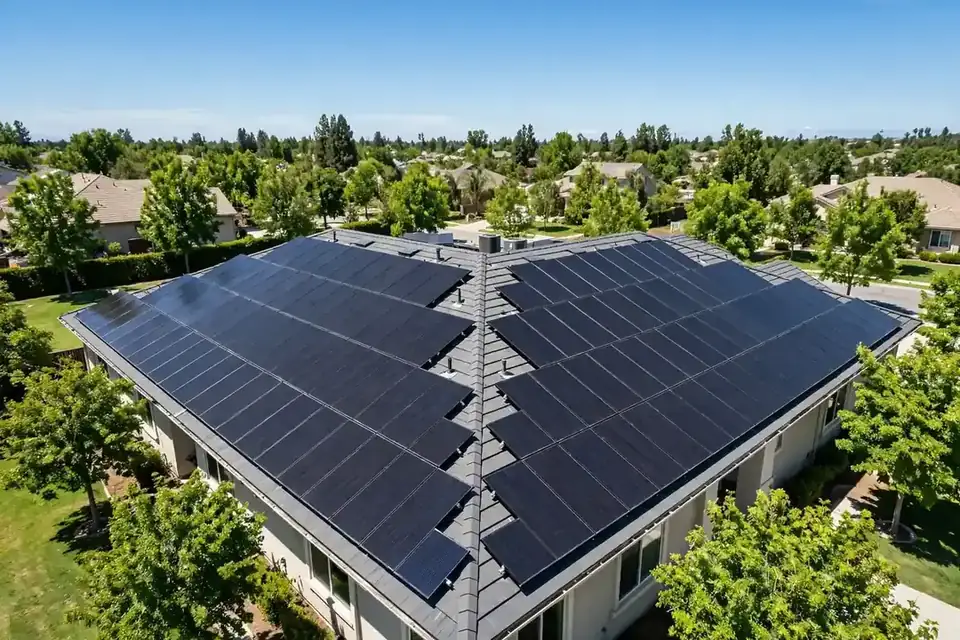
Table of Contents — Tap to Jump to a Section
- 01Start With Your PESCO Bill, Not a Salesman
- 02Know Your Appliance Loads First
- 03Match kW to Your Home Size
- 043kW vs 5kW vs 10kW: Full Comparison
- 05Costly Mistake 1: Undersizing
- 06Costly Mistake 2: Oversizing
- 07When Going Bigger Makes Sense
- 08Daytime vs Nighttime: The Hidden Factor
- 09Quick Sizing Answers
- 10Peshawar-Specific Sizing Tips
- 11FAQs
The right size starts with your own PESCO bill. Not your neighbor's system. Your bill tells the full story. This guide shows you how to read it. It maps each size to real Peshawar homes. You will know exactly what fits your house.
If you searched for what size solar system do i need peshawar, start here. The answer takes ten minutes. Grab your last few bills first.
Start With Your PESCO Bill, Not a Salesman
Your bill shows monthly units. One unit equals one kWh. Collect your last 12 bills. Add up the monthly units. Divide the total by 12. That number is your monthly average.
Peshawar summers spike hard. July units can double January units. ACs drive that spike. A single summer bill misleads you. The 12-month average smooths the seasons. It shows your true need.
How do I know what size solar system I need? Check that 12-month average first. Then match it to real generation numbers. A 3kW system makes roughly 360 to 420 units a month in Peshawar. A 5kW system makes roughly 600 to 720 units. A 10kW system makes roughly 1,200 to 1,450 units.
Compare your average to those bands. Pick the size that covers it. Add a small buffer for growth. That is the whole method.
Also check your sanctioned load. PESCO prints it on every bill. Your system should stay within that limit. Larger systems may need a load extension. Confirm this with your installer before ordering.
Know Your Appliance Loads First
List what runs in your home. Each appliance draws watts. Add up the daytime ones. Daytime load matters most. Solar serves it directly and cheaply.
| Appliance | Typical Watts | Daily Use |
|---|---|---|
| 1-ton inverter AC | 1,000–1,200 | 8–10 hours |
| Ceiling fan | 75 | 10–12 hours |
| LED lights (10 bulbs) | 100 | 5–6 hours |
| Fridge | 150–200 | 24 hours |
| LED TV | 100 | 4–5 hours |
| Water pump (1 HP) | 750 | 1 hour |
| Washing machine | 500 | 1 hour |
| Electric iron | 1,000 | 30 minutes |
Watt figures are typical ranges. Check your own appliance nameplates. They show exact watts. Add a 20 percent safety margin on top.
Can a 5kW system run 2 ACs? Yes, with inverter ACs it can. Two 1-ton units draw about 2,400 watts together. Add fans, fridge, and lights. The total stays near 3,200 watts. A 5kW inverter handles that with room to spare. Old non-inverter ACs draw far more power. They may push you toward a bigger system.
Never plan to run everything at once. Stagger your heavy loads instead. Run the water pump at noon. Iron clothes in bright daylight. Smart timing stretches any system further.
Match kW to Your Home Size
Home size hints at your load. It never replaces the bill check. Still, this mapping fits most Peshawar houses well.
| Home Size | Common Pick | Monthly Units Covered |
|---|---|---|
| 5 marla flat or portion | 3kW | 350–450 |
| 7–10 marla house | 5kW | 600–800 |
| 1 kanal or larger | 10kW | 1,200–1,600 |
Small portions in Gulbahar or Tehkal suit 3kW systems. They run one AC plus basic loads. Mid-size homes in Hayatabad or University Town usually need 5kW. They run two ACs through summer. Kanal houses near Warsak Road run four or more ACs. They need 10kW systems.
Joint families change the math. More people means more fans and lights. It means more motors and longer usage. Size up when three generations share one roof.
Searches for what size solar system do i need peshawar peak every summer. Most searchers live in 7 to 10 marla homes. The 5kW system answers most of them.
3kW vs 5kW vs 10kW: Full Comparison
| Feature | 3kW System | 5kW System | 10kW System |
|---|---|---|---|
| Daily units | 12–15 | 20–25 | 40–50 |
| Inverter ACs supported | 1 | 2 | 4–5 |
| Roof space needed | ~200 sq ft | ~350 sq ft | ~700 sq ft |
| Panels needed, approx | 5–6 | 9–10 | 18–20 |
| Best suited for | Small families | Average families | Large homes, shops |
| Net metering value | Low | High | High |
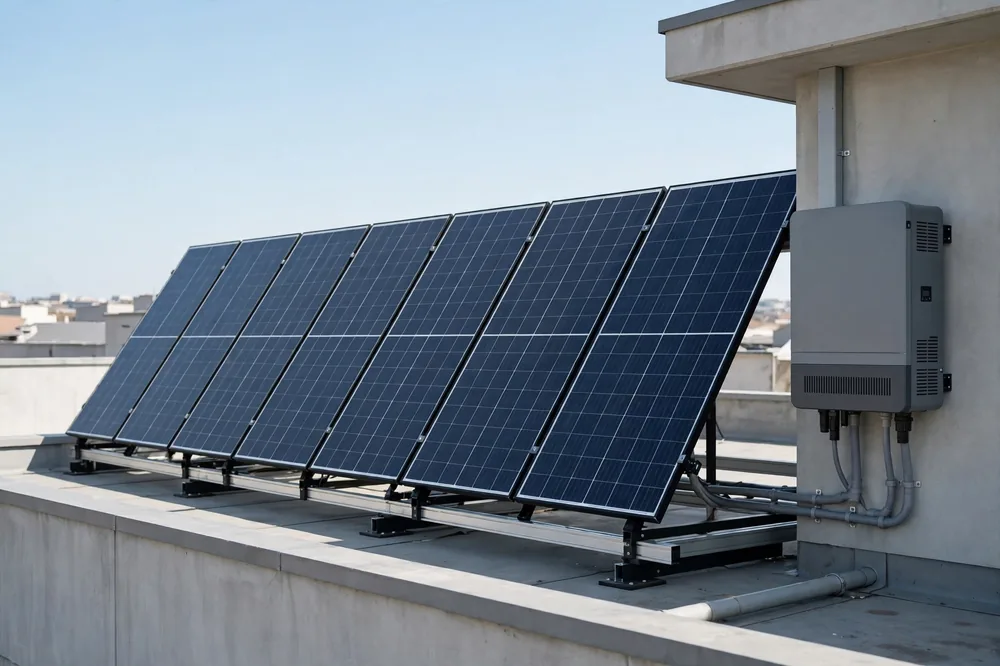
Figures assume quality panels and a clear roof. Shading cuts output fast. A neighbor's mumty or water tank can shade panels for hours. South-facing roofs perform best in Peshawar. Get a shade survey before you decide anything.
Costly Mistake 1: Undersizing
Small systems trip under load. The inverter shuts down at peak hours. Your family argues over which AC stays on. Summer becomes a daily compromise for everyone.
Adding panels later costs more money. The installer visits twice. Mounting structures need rework. Wiring may need a full upgrade. Plan right the first time instead.
Undersizing also kills net metering value. You export almost nothing. You import power every night. Bills stay high despite your investment. The system never pays you back properly.
Costly Mistake 2: Oversizing
Big systems waste your money. Extra panels make units you never use. PESCO buys surplus power at a low export rate of around Rs 11 per unit. Payback stretches years longer than it should.
That extra cash could buy better panels instead. Efficient panels beat extra panels. Quality matters more than raw count in the long run.
Oversizing also needs more roof space. It needs stronger mounting structures. It needs a bigger, costlier inverter. Every single part costs more money.
Size for your average usage, not your peak. Handle peak days with smart habits. Run heavy appliances at midday. That beats buying extra kilowatts you rarely need.
When Going Bigger Makes Sense
Pick the larger size if your family is growing. A new floor adds real load. More rooms mean more ACs. Kids grow into bigger usage every year.
Plan ahead for an electric geyser or EV. Both draw heavy power. An EV charger alone needs 3 to 7kW. Future-proof your system now, not later.
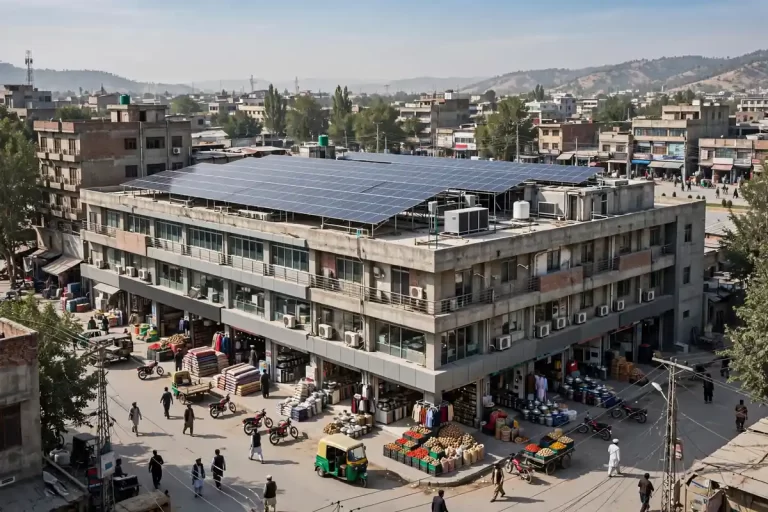
Shops on Ring Road or Karkhano market suit 10kW systems. They run lights and fridges all day. Daytime load matches solar hours perfectly. Payback runs fastest for commercial users like these.
Net metering rewards bigger systems too. Summer surplus offsets winter bills. Credits carry forward under current NEPRA rules. Ask your installer about the latest policy before deciding.
Daytime vs Nighttime: The Hidden Factor
Solar makes power only in daylight. Your usage timing decides your savings. Homes active by day save the most. Offices and shops fit this pattern well.
Night-heavy homes save less. ACs running all night draw from PESCO. Batteries can cover nights, but they add cost. A hybrid system with batteries suits night users.
Check when your family uses the most power. School routines, office hours, and shop timings all matter. Match the system type to your routine, not just the size.
Hybrid systems need different math than on-grid ones. Batteries add backup hours, not more daytime power. Size batteries for your night load separately. Your installer should calculate both for you.
Quick Sizing Answers
Is 3kW enough for two ACs? No, it is not enough. Two ACs need at least 5kW. A 3kW system trips under that load.
Does a bigger inverter alone help? No, it does not help. Panels decide your generation. An oversized inverter with few panels wastes money.
Should I add batteries to a small system? You can add them. But size batteries for night load only. Batteries never increase daytime generation.
Peshawar-Specific Sizing Tips
Peshawar gets strong sun most of the year . Summer heat trims panel efficiency slightly. Dust cuts output until you clean the panels. Size with a 10 to 15 percent buffer.
Monsoon clouds drop generation for weeks. Winter smog dims it too. Net metering credits bridge those gaps. Slightly bigger systems handle dips better.
Roof direction matters a lot here. South-facing beats east or west facing . Flat roofs need tilted mounting structures. Sloped roofs must face the right direction.
Get a free load survey before buying. A technician measures your roof properly. He checks shading through the day. He reads your PESCO bills with you. Then he sizes the system on facts, not guesses.
Frequently Asked Questions
How do I know what size solar system I need?
Check your 12-month PESCO bill average first. Match it to the generation bands in this guide. Add a small buffer for growth. That gives your answer.
Can a 5kW system run 2 ACs?
Yes, if both are inverter ACs. Two 1-ton units draw about 2,400 watts together. A 5kW inverter handles that with room for fans and a fridge.
Is 3kW enough for a 5 marla house?
Usually yes, it is enough. It covers one AC plus basic home loads. Check your bill average first. Heavy users may still need 5kW.
Can I expand my solar system later?
Yes, you can expand it later. But it costs more than sizing right once. Inverters have strict panel limits. You may need a second inverter entirely.
Does net metering work with all system sizes?
Technically yes, it works with all sizes. But small systems export very little power. The paperwork pays off best at 5kW and above.
What size do most Peshawar homes pick?
The question what size solar system do i need peshawar families ask has one common answer. The 5kW system wins for average homes. It balances cost and coverage well. Your own bill confirms it.
Book Your Free Site Survey
Stop guessing your system size. Get facts instead. Zain Solar System offers free site surveys across Peshawar. We read your PESCO bills carefully. We measure your roof precisely. We check shading through the day. Then we recommend the exact size your home needs.
Message us on WhatsApp at 0301-5905082. Mention your area, whether Hayatabad, University Town, Tehkal, Gulbahar, or anywhere in Peshawar. We will schedule your free survey this week.


6 Comments