On-Grid vs Hybrid Solar: What Peshawar Homeowners Choose in 2026
On-Grid vs Hybrid Solar: What Peshawar Homeowners Choose in 2026
If you searched for on grid vs hybrid solar peshawar, this guide gives you the full picture. Peshawar homeowners face a real choice in 2026. On-grid solar costs less and pays back faster. Hybrid solar costs more but keeps power during outages. Your decision depends on load shedding, budget, and priorities. This guide compares both systems honestly. It uses Peshawar's real conditions. By the end, you will know which system suits your home.
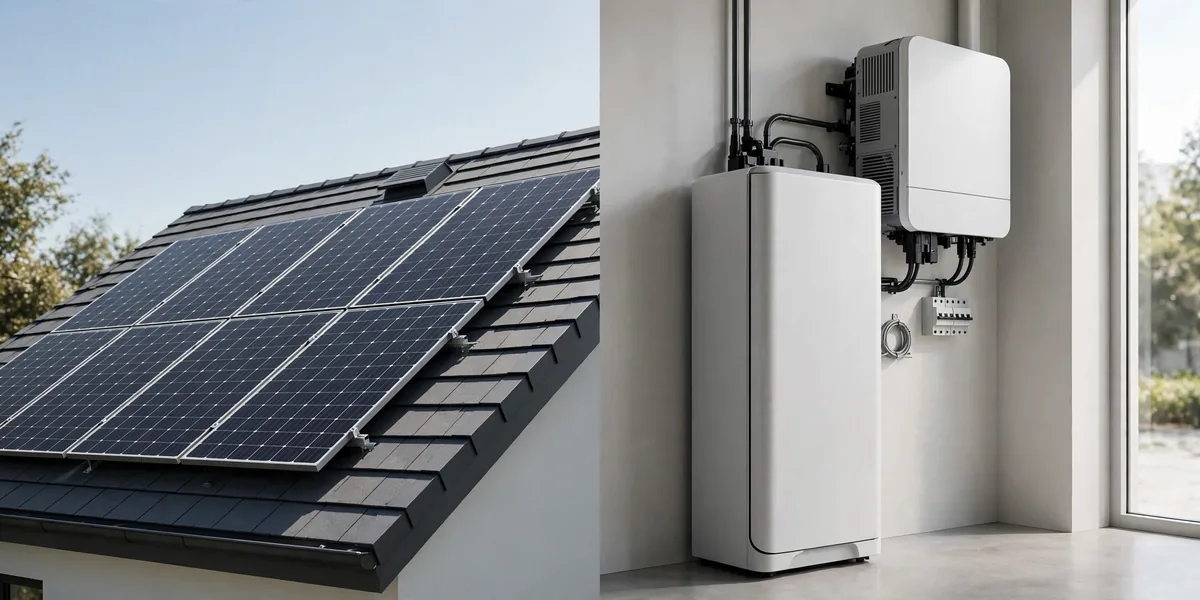
Table of Contents — Tap to Jump to a Section
- 01How On-Grid Solar Works
- 02How Hybrid Solar Works
- 03On-Grid vs Hybrid: Feature Comparison
- 04Cost Comparison for Peshawar Homes
- 05Sizing Your System Right
- 06Peshawar's Load Shedding Reality
- 07Which Should YOU Pick?
- 08A Summer Day With Each System
- 09Hybrid vs a Generator
- 102026 Net Billing Rules in Brief
- 11Mistakes to Avoid
- 12Final Verdict
- 13FAQs
How On-Grid Solar Works
On-grid solar connects directly to the PESCO network. Panels capture sunlight during the day. They produce direct current (DC) electricity. An on-grid inverter converts DC into alternating current (AC). Your home uses this power first. Extra units flow back to the grid. A bidirectional green meter records both directions. At night, you draw power from PESCO normally. There is no battery in this setup. That keeps the upfront cost low. Maintenance stays simple too.
Can an on-grid solar system work during a power outage?
No. The inverter shuts down within seconds of a grid failure. This protects PESCO line workers from back-fed current. Your solar panels stop producing usable power too. Everything restarts automatically when grid power returns. This anti-islanding rule applies across Pakistan.
How Hybrid Solar Works
Hybrid solar adds battery backup to the on-grid design. A hybrid inverter manages solar, grid, and battery together. Daytime solar powers your home first. Surplus energy charges the battery bank. Leftover units still export to PESCO for net billing credit. When load shedding hits, the battery takes over instantly. Fans, lights, and Wi-Fi keep running. You feel almost no interruption.
Do hybrid solar systems cost more than on-grid?
Yes. Batteries are the biggest extra cost. A hybrid inverter also costs more than a standard on-grid inverter. For equal panel capacity, expect a 60–90% higher total price. You pay for backup power and peace of mind.
On-Grid vs Hybrid: Feature Comparison
This on grid vs hybrid solar peshawar breakdown uses Peshawar’s real conditions. Read each row before you decide.
| Feature | On-Grid Solar | Hybrid Solar |
|---|---|---|
| Power during outage | No, shuts down | Yes, battery backup |
| Battery needed | No | Yes |
| Inverter type | On-grid inverter | Hybrid inverter |
| Net billing support | Yes | Yes |
| Upfront cost | Lower | 60–90% higher |
| Maintenance | Very low | Battery upkeep needed |
| Best for | Low-outage areas | Frequent load shedding |
Cost Comparison for Peshawar Homes
Exact prices change with panel rates and the dollar. Use this structure to compare quotes fairly. Always compare the same panel wattage. Ask every installer for an itemized quote.
| Cost item | On-Grid system | Hybrid system |
|---|---|---|
| Solar panels | Same | Same |
| Inverter | Standard on-grid inverter | Hybrid inverter, costs more |
| Batteries | None needed | Tubular or lithium bank |
| Mounting structure | Same | Same |
| Net metering fee | Same PESCO charges | Same PESCO charges |
| Total difference | Baseline | Roughly 60–90% higher |
Battery choice changes the hybrid price a lot. Tubular batteries cost less upfront. Lithium batteries last longer and need less care. Your installer should explain both options clearly. Never accept a quote without battery brand and warranty in writing.
Sizing Your System Right
Wrong sizing wastes money in both directions. Too small leaves you importing expensive units. Too large wastes roof space and capital. A proper survey measures your actual load. It checks your sanctioned load with PESCO too. Net billing caps your system at your sanctioned load. Oversized systems face PESCO rejection. Get the sizing right before you pay anyone.
| Home profile | Typical daytime load | Suggested size |
|---|---|---|
| 5 marla, no AC | Fans, lights, fridge | 3 kW |
| 10 marla, 1 inverter AC | Moderate cooling | 5 kW |
| 1 kanal, 2–3 ACs | Heavy cooling | 10 kW |
Peshawar’s Load Shedding Reality
Load shedding still shapes this decision in 2026. Central areas like Hayatabad, University Town, and DHA Peshawar see fewer outages. Outer areas and some PESCO subdivisions face longer daily cuts. Summer heat drives the worst schedules. Winter outages drop sharply. Ask three neighbors about their actual outage hours. Check your PESCO subdivision schedule as well. Your street’s reality matters more than city averages.
Homes with under two hours of daily outages suit on-grid well. The savings pile up fast. Homes with four or more hours need hybrid backup. Comfort has real value during a hot June afternoon. Families with elderly members or small children feel outages hardest. Home offices need stable power for work calls.
Which Should YOU Pick?
Use this on grid vs hybrid solar peshawar framework to decide in five minutes.
Choose on-grid if:
- Your area has under 2 hours of daily load shedding.
- You want the fastest possible payback period.
- Your budget is tight right now.
- Cutting the PESCO bill is your main goal.
- You already own a generator for emergencies.
Choose hybrid if:
- Your area faces 4+ hours of daily outages.
- You work from home and need reliable power.
- Someone at home uses medical equipment.
- You want to ditch your noisy generator.
- Summer comfort for your family matters most.
The smart middle path
Buy a hybrid inverter now and add batteries later. Install your panels with a hybrid inverter today. Skip the battery bank to control the budget. Your system works like on-grid for now. Add batteries next year when funds allow. You keep full net billing eligibility throughout. Many Peshawar families now choose this path. It spreads the cost without wasting equipment.
Can I convert on-grid to hybrid later?
You must replace the on-grid inverter with a hybrid inverter. Your panels and wiring stay the same. Then you add a battery bank. Starting with a hybrid inverter avoids this replacement cost.
Is net metering available for hybrid systems?
Yes. Hybrid inverters support PESCO net billing fully. You need the same bidirectional green meter. The application process stays identical. Your battery does not change export rules. Excess daytime units still earn bill credits.
A Summer Day With Each System
Picture a July afternoon in Tehkal. PESCO cuts power at 2 PM. The on-grid home goes dark and hot. Ceiling fans stop. The fridge warms slowly. The hybrid home barely notices. Fans keep spinning on battery. The Wi-Fi stays on. Kids keep studying. At 6 PM, the grid returns. The on-grid system restarts and exports again. The hybrid battery recharges from evening solar. Both homes saved money that day. Only one stayed comfortable.
Hybrid vs a Generator
Many Peshawar homes already own a petrol generator. Generators burn fuel every outage hour. Fuel costs rise every year. They make noise and smoke. Hybrid solar has zero fuel cost. It switches over silently and instantly. The upfront cost is higher. The running cost is near zero. Over five years, hybrid usually wins. Sell the generator after your hybrid install.
2026 Net Billing Rules in Brief
Pakistan now uses net billing instead of old net metering terms (official since February 2026). Exported units earn less than imported units cost. The export buyback rate sits near Rs 11 per unit. Both on-grid and hybrid systems qualify equally. Daytime exports offset your night-time imports. Slightly oversizing your system improves the math. A proper load analysis sets the right size. Guesswork here costs you money.
Mistakes to Avoid
Do not buy panels before a proper site survey. Do not skip the PESCO sanctioned load check. Do not mix A-grade and B-grade panels in one string. Do not accept verbal warranty promises. Get every promise in writing. Do not oversize beyond your sanctioned load. PESCO rejects such applications.
Final Verdict
Pick on-grid for maximum savings on a tight budget. Pick hybrid for real comfort during outages. Both systems cut your PESCO bill hard. The inverter-now-batteries-later path gives you flexibility. A free site survey confirms your roof space and load. It also confirms your area’s outage pattern. Share this on grid vs hybrid solar peshawar guide with any homeowner still confused.
Frequently Asked Questions
Can an on-grid solar system work during a power outage?
No. Safety rules force the inverter to shut down. It restarts when PESCO power returns.
Do hybrid solar systems cost more than on-grid?
Yes. Batteries and a hybrid inverter add roughly 60–90%.
Is net metering available for hybrid systems?
Yes. Hybrid inverters fully support PESCO net billing with a green meter.
Can I convert on-grid to hybrid later?
You must replace the on-grid inverter with a hybrid inverter. Panels and wiring stay the same. Then add a battery bank.
How long do hybrid batteries last?
Tubular batteries last 3–5 years with care. Lithium batteries last 10–15 years.
Which system pays back faster in Peshawar?
On-grid pays back faster because it costs less upfront. Hybrid’s backup comfort has separate value.