Solar System Cost for a 10 Marla House in Hayatabad (2026 Guide)
Solar System Cost for a 10 Marla House in Hayatabad (2026 Guide)
A 10 marla home in Hayatabad usually needs a 5kW solar system. In 2026, a quality 5kW setup costs Rs 780,000 to Rs 1,250,000. The final figure depends on your roof type, inverter brand, and net metering. Hayatabad homes run heavy summer loads, so sizing matters more than price alone. This guide gives the full solar system cost Hayatabad families actually pay. You will see a component-wise breakdown, on-grid versus hybrid prices, and honest price factors. Every price here is a 2026 market estimate, so use it to compare quotes.
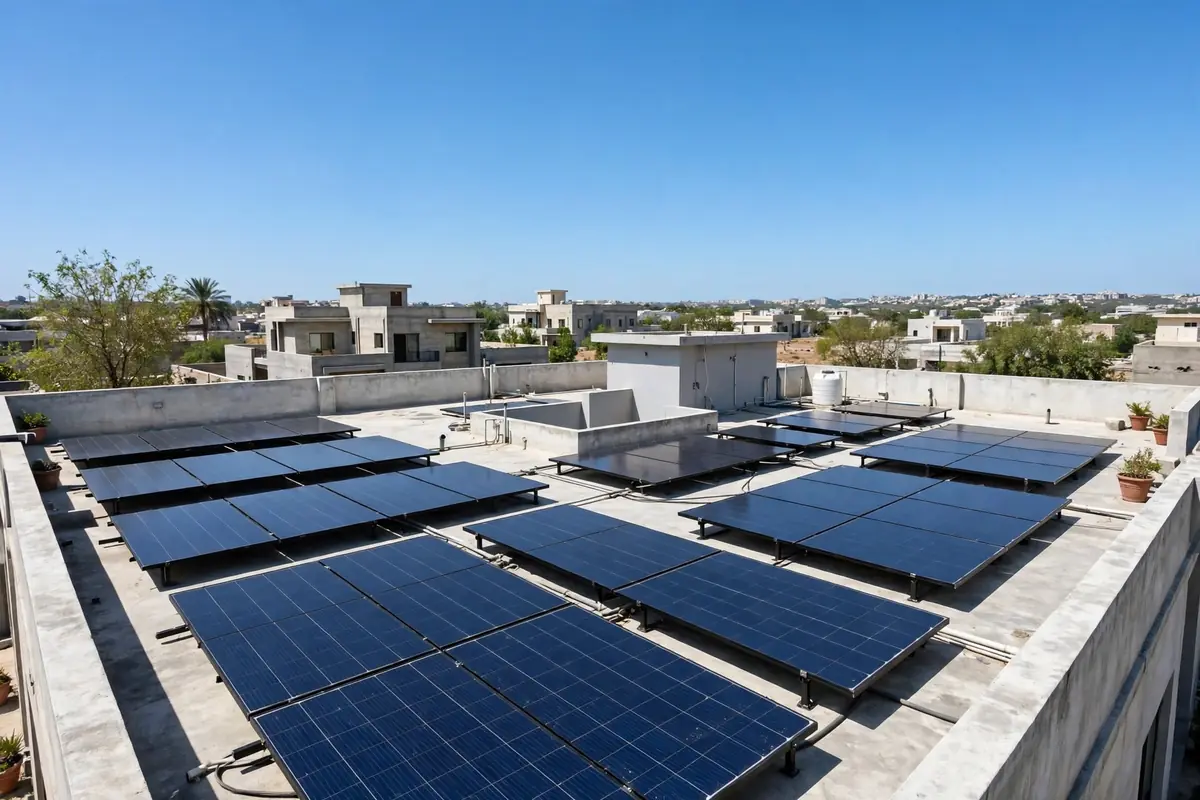
Table of Contents — Tap to Jump to a Section
Why 5kW Is the Sweet Spot for 10 Marla Homes
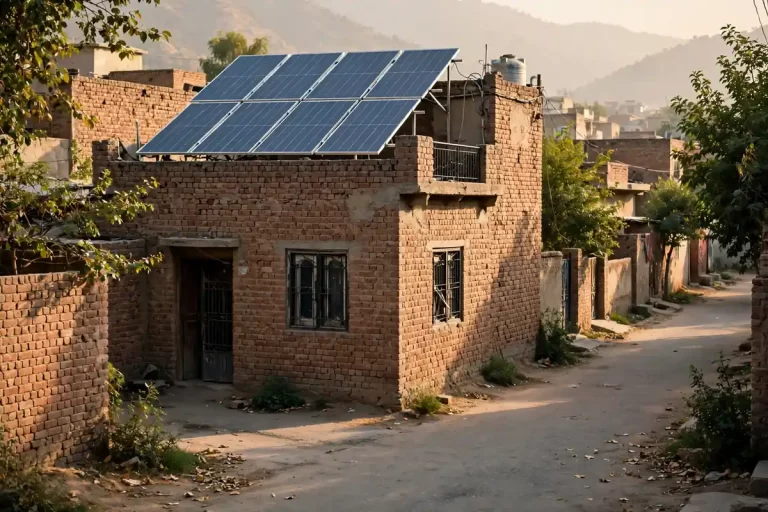
A standard 10 marla house in Hayatabad has two to three air conditioners. Add a refrigerator, water pump, ceiling fans, lights, and an iron or microwave. Peak summer load usually lands between 4kW and 5.5kW during daytime. A 5kW system matches that load almost perfectly in Peshawar sunshine.
How many units does a 5kW system produce per day? Around 20 to 24 units in Peshawar. That equals 600 to 720 units per month of clean electricity. Most Hayatabad families in phases 1 to 7 consume 500 to 800 units monthly. So a 5kW plant covers most or all of a typical bill.
Can a 5kW solar system run my full house? Yes, if your daytime load stays under 5kW. Night usage comes from WAPDA or batteries, depending on your system type. A hybrid setup with batteries covers load shedding hours too. An on-grid system simply offsets your bill through net metering.
Going bigger to 6kW or 8kW only makes sense with four or more ACs. Going smaller to 3kW leaves your summer AC load uncovered. Hayatabad’s wide streets and open skies give excellent sun exposure. Homes near Jamrud Road and the phase markets get 5 to 6 peak sun hours daily. That strong sunlight is why 5kW performs so well here.
Component-Wise Cost Breakdown of a 5kW System
The total price is not one number from one shop. It is the sum of seven to eight components. Knowing each part stops dealers from overcharging you. Here is what a standard 5kW hybrid installation includes in Hayatabad.
| Component | Specification | Estimated Cost (PKR) |
|---|---|---|
| Solar panels | 10 x 580W Tier-1 (Jinko / Longi / Canadian) | 330,000 |
| Hybrid inverter | 5kW (Inverex, Solax, or Fronius-class) | 240,000 |
| Elevated structure | Hot-dip galvanized iron, 4-5 ft height | 85,000 |
| DC and AC cables | 4mm DC, armored AC, proper sizing | 40,000 |
| Protection devices | Breakers, SPD, changeover, earthing kit | 35,000 |
| Installation labor | Certified team, 2-3 day work | 60,000 |
| Net metering package | Bi-directional meter plus PESCO processing | 65,000 |
| Total (without batteries) | 855,000 | |
| Batteries (optional) | 48V lithium bank for backup | 280,000 |
| Total (with batteries) | 1,135,000 |
All prices are 2026 market estimates for Peshawar. Confirm current rates before you buy.
Solar panels are the biggest cost, roughly 35 to 40 percent of the total. Tier-1 panels from Jinko, Longi, or Canadian Solar carry 12-year product warranties. Their output warranty runs 25 to 30 years at 80-plus percent. Cheaper B-grade panels save Rs 40,000 to Rs 60,000 upfront. They degrade faster and often fail warranty claims in Pakistan.
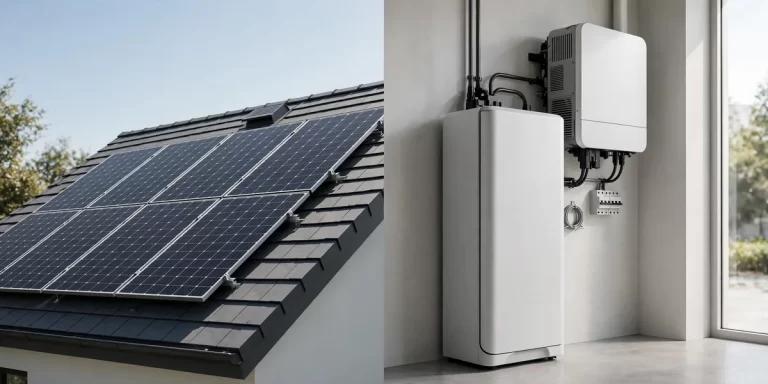
The inverter is the brain of your system and the second-biggest cost. A 5kW hybrid inverter manages solar, WAPDA, and batteries together. Good brands include Inverex, Solax, and Growatt in the local market. On-grid inverters cost Rs 60,000 to Rs 90,000 less than hybrid models. They cannot give backup during load shedding, which matters in Peshawar summers.
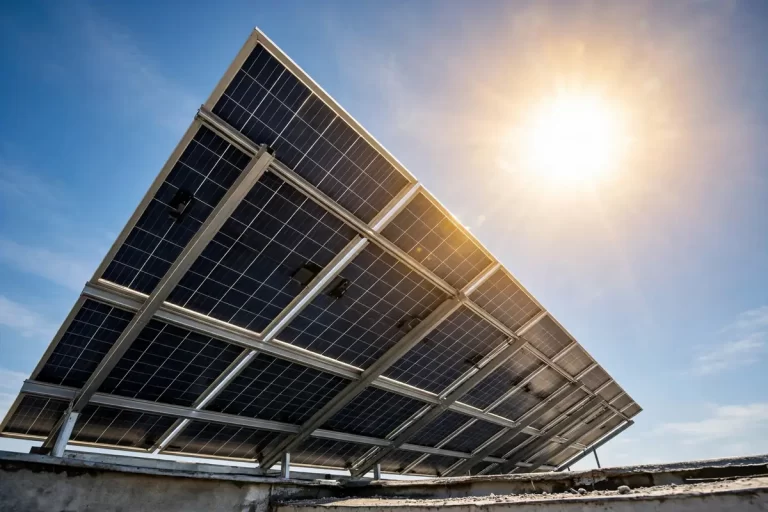
The elevated structure keeps panels above roof heat and dust. Hot-dip galvanized iron resists rust for 20-plus years in Peshawar weather. A 4 to 5 foot height allows cleaning access underneath. Cheap painted structures rust within three to four years. Structure failure can damage panels worth lakhs, so never cut corners here.
Cables and protection devices are small in cost but critical for safety. Undersized DC cable causes voltage drop and fire risk. A proper SPD (surge protection device) guards against lightning strikes. Hayatabad sees strong monsoon storms, so earthing must meet standard specs. Always ask your installer for the cable brand and size in writing.
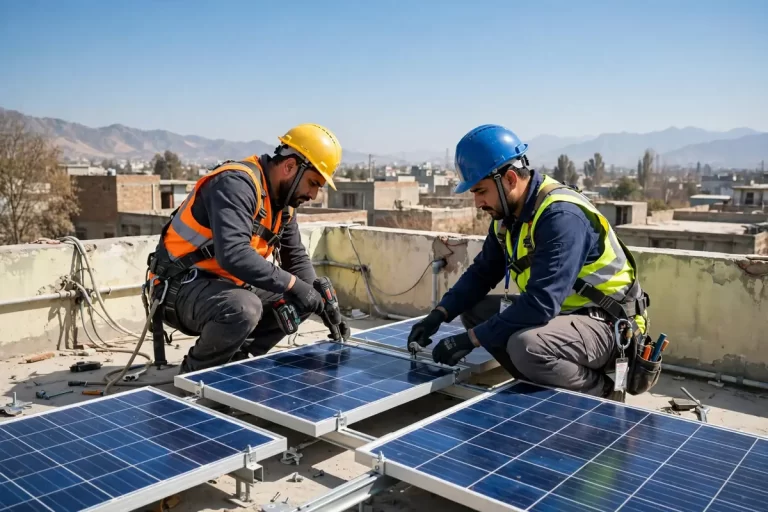
Installation labor covers a certified team for two to three days. This includes panel mounting, inverter wiring, and system testing. A professional team also handles the PESCO net metering paperwork. Cheap installers skip proper earthing and cable conduits. Those shortcuts show up as faults within the first year.
On-Grid vs Hybrid: Price Comparison for Hayatabad
The biggest cost decision is on-grid versus hybrid. Both connect to PESCO and support net metering. Only hybrid gives backup during power cuts. Here is how they compare for a 10 marla Hayatabad home.
| Feature | On-Grid 5kW | Hybrid 5kW |
|---|---|---|
| System cost (no batteries) | Rs 720,000 | Rs 855,000 |
| Backup during load shedding | No | Yes, with batteries |
| Battery cost | Not applicable | Rs 250,000-300,000 |
| Net metering support | Yes | Yes |
| Best for | Areas with stable supply | Most of Hayatabad |
| Payback period | 3–4 years | 3–4 years |
On-grid systems suit homes with rare power cuts. They are simpler, cheaper, and pay back faster. The inverter shuts down during load shedding for safety reasons. That means zero solar power during daytime outages too.
Hybrid systems suit most Hayatabad homes realistically. Peshawar still faces scheduled and unscheduled load shedding in summer. A hybrid inverter switches to battery backup in milliseconds. Your fans, lights, and one AC keep running smoothly.
The price gap between on-grid and hybrid is Rs 100,000 to Rs 150,000 without batteries. Batteries add another Rs 250,000 to Rs 300,000 for a 48V lithium bank. Lithium batteries last 8 to 12 years with proper use. Old tubular batteries cost less but need replacement every 3 to 4 years.
What Changes Your Final Price in Hayatabad
Two neighbors in the same phase can get very different quotes. The difference comes from site-specific factors, not dealer tricks. Understanding them helps you judge any quote fairly. When you compare the solar system cost Hayatabad installers quote you, check these five factors first.
| Price Factor | What Changes | Typical Cost Impact |
|---|---|---|
| Roof type (RCC vs T-iron) | RCC needs anchor bolts; T-iron needs special clamps | Rs 15,000-30,000 |
| Wiring distance | Longer DC/AC cable runs from roof to meter | Rs 10,000-25,000 |
| Phase and location | Access for material lifting, parking for team | Rs 5,000-15,000 |
| Structure height | Elevated 6-8 ft for rooftop rooms costs more | Rs 20,000-40,000 |
| Brand tier | Tier-1 vs B-grade panels and inverter choice | Rs 80,000-150,000 |
Roof type is the first thing a survey team checks. Most Hayatabad 10 marla homes have RCC (concrete) roofs. RCC allows strong anchor-bolt mounting for elevated structures. Some older homes or extensions use T-iron (TR Garder) sheets. T-iron needs special clamps that grip without drilling through. Both work fine, but the hardware differs in price.
Wiring distance is the silent cost driver people miss. Your inverter usually sits near the main distribution board. If that board is far from the roof, cable length grows. DC cable runs over 20 meters need thicker 6mm wire. That adds Rs 10,000 to Rs 25,000 to the job. A free site survey measures this exactly before quoting.
Your phase location inside Hayatabad affects logistics slightly. Phases 1 to 4 near Jamrud Road have easy material access. Newer phases 6 and 7 may need longer transport from Karkhano market. Karkhano market is Peshawar’s main solar wholesale hub. Prices there run 5 to 10 percent lower than retail shops. A good installer sources from Karkhano and passes savings to you.
Structure height depends on your rooftop usage. A simple 4-foot elevated structure is the standard quote. Families who use the roof for drying or gatherings want 7 to 8 feet. Taller structures need stronger columns and more steel. That adds Rs 20,000 to Rs 40,000 to the structure cost.
Brand tier creates the widest price swing of all. Tier-1 panels plus a branded inverter cost Rs 80,000 to Rs 150,000 more. That premium buys real warranties and slower degradation. B-grade panels may lose 15 percent output in five years. Always ask for panel serial numbers and verify them on the brand website.
PESCO Net Metering Cost Add-On
Net metering lets you sell extra daytime units back to PESCO. It is the single best way to cut a Hayatabad electricity bill. The net metering package adds Rs 60,000 to Rs 150,000 to your project. Here is what that money covers.
The bi-directional meter itself costs around Rs 35,000 to Rs 60,000. PESCO installs it after approving your application. Application processing and inspection fees add roughly Rs 10,000 to Rs 25,000. Your installer usually handles the full file work. That includes the application, single-line diagram, and test reports.
Is net metering worth it in 2026? Yes, for homes with 400-plus monthly units. Your daytime export offsets night and cloudy-day imports. Most Hayatabad families recover the net metering cost within one year. Without net metering, extra daytime units simply go to waste.
What is the new net billing export rate? About Rs 11 to Rs 13 per unit under 2026 rules. The old rate was Rs 22 to Rs 27 per unit. This change makes self-consumption more valuable than export. Run heavy loads like ACs and pumps during sunshine hours. That strategy beats exporting at the lower rate.
Do I need a battery for net metering? No, batteries are not required. Net metering works with on-grid and hybrid inverters alike. Batteries only add backup during load shedding. Many families start without batteries and add them later.
The PESCO approval timeline typically runs 30 to 90 days in Peshawar. Your system works from day one without the net meter. Export billing starts only after PESCO installs the bi-directional meter. Choose an installer who follows up on your file weekly. Files stuck without follow-up can sit for months.
How to Get the Best Price Without Losing Quality
Get three written quotes from established Peshawar installers. Make sure each quote lists panel brand, wattage, and quantity. It should also name the inverter brand and model. Vague quotes hide B-grade equipment behind low prices.
Never pay 100 percent advance to any installer. A fair schedule is 50 percent advance, 40 percent on material delivery, and 10 percent after commissioning. This keeps the installer accountable through testing. Ask for the net metering file number within two weeks.
Visit one or two running sites of your shortlisted installer. Talk to the homeowner about after-sales service. A system needs cleaning and checkups for 25 years. The cheapest installer often disappears after payment. A reliable local company stays reachable on WhatsApp for years.
Time your purchase outside peak summer if possible. Panel prices in Karkhano market may dip slightly in winter months. Installers also offer better labor rates in the off-season. But do not delay a full summer of savings to chase a small discount.
Frequently Asked Questions
How much does a 5kW solar system cost in Pakistan?
Between Rs 780,000 and Rs 1,250,000 in 2026. Price varies by city, inverter type, and panel brand. Hybrid systems cost more than on-grid ones. Batteries add Rs 250,000 to Rs 300,000 extra.
Can a 5kW solar system run my full house?
Yes, if your daytime load stays under 5kW. It runs 2 to 3 ACs plus normal home loads. Night power comes from WAPDA, batteries, or net metering credit. Very large homes with 4-plus ACs need 8kW or 10kW.
How long does solar installation take?
Physical installation takes 2 to 3 days for a 5kW home system. Net metering approval from PESCO typically takes 30 to 90 days. Your system generates power from day one of installation. Export billing starts after the bi-directional meter is installed.
Can I increase system size later?
Yes, you can add panels and upgrade the inverter later. But net metering needs re-approval for the bigger capacity. Plan your future load now to avoid double paperwork. Many Hayatabad families start at 5kW and expand to 8kW.
Do I need a battery for net metering?
No, net metering does not need batteries at all. It works with on-grid inverters and hybrid inverters without batteries. Batteries only help during load shedding hours. Start without them if your area has stable supply.
Get a Free Site Survey in Hayatabad Today
Every 10 marla home in Hayatabad is different, and so is its solar system cost. Hayatabad quotes work best after a real rooftop survey, not a phone estimate. Zain Solar System offers a free site survey across all Hayatabad phases, from phase 1 to phase 7. Get an exact solar system cost Hayatabad quote based on your real roof and load. Our team measures your roof, checks your load, and gives a written fixed quote. Message us on WhatsApp at 0301-5905082 today. We will schedule your free survey and answer every question honestly.