Solar Installation Day in Peshawar: What Happens Step-by-Step
Solar Installation Day in Peshawar: What Happens Step-by-Step
You signed the agreement with your installer. The site survey is done. Now one question keeps circling in your mind. What actually happens on installation day? Will strangers be on your roof all day? Will your power go off? How do you know the job was done right? This guide answers all of it. Most Peshawar homes need only a single working day for installation. This covers 3kW to 10kW systems in Hayatabad, DHA, and University Town. Larger systems may need a second day. Nothing about the day should surprise you after reading this.
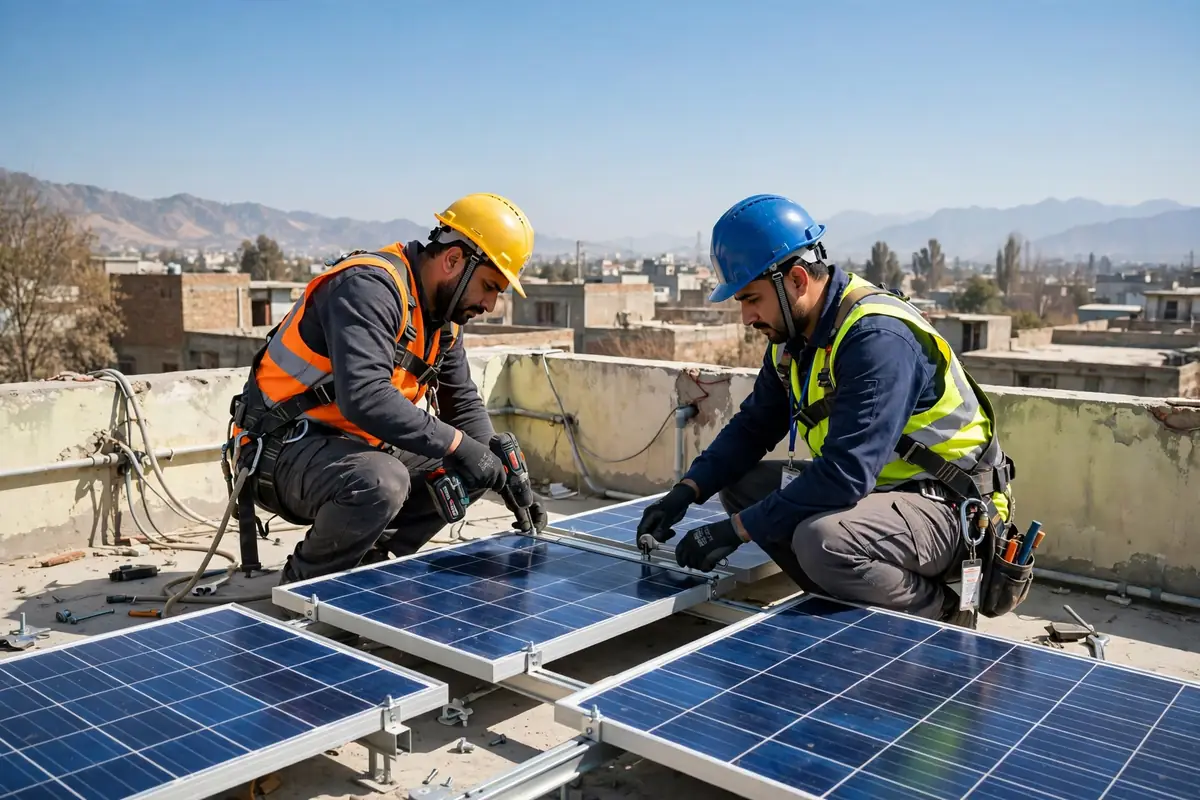
Table of Contents — Tap to Jump to a Section
How long does solar installation actually take? This is the question every homeowner asks first. The physical work on your roof takes 4 to 8 hours for most homes. Bigger systems with more panels take longer. The full solar installation process in Peshawar — from survey to switch-on — spans a few weeks. But the noisy, on-roof part is just a day or two.
Before the Crew Arrives: What Happens First
Installation day is not the first step. Several things happen before a single panel reaches your roof. Understanding this timeline removes most of the anxiety. Every professional solar installation process in Peshawar follows these five stages.
First comes the site survey. A technician visits your home in Gulbahar, Tehkal, or wherever you live. He measures your roof, checks shading from nearby buildings, and reviews your main electrical panel. This takes one to two hours. Then the installer designs your system layout. It shows where each panel sits, where the inverter mounts, and how wiring runs.
Next, the equipment gets ordered and delivered. Panels, inverter, mounting rails, cables, and breakers usually arrive the evening before installation day. Sometimes they arrive early that same morning. A good installer inspects every box at delivery for shipping damage.
| Stage | What happens | Typical duration |
|---|---|---|
| Site survey | Roof measurement, shade check, electrical panel review | 1–2 hours |
| System design | Panel layout, inverter position, wiring plan | 1–3 days |
| Equipment delivery | Panels, inverter, rails, and cables reach your home | Day before or morning of install |
| Installation day | Mounting, wiring, inverter setup, testing | 1–2 days |
| Net metering application | Paperwork filed with PESCO after installation | 4–12 weeks |
Can the solar installation process in Peshawar skip the site survey? No. Be suspicious of any installer who offers to skip it. The survey catches problems early: a weak roof section, heavy afternoon shade, or an electrical panel needing an upgrade. Catching these before installation day saves everyone time.
Installation Day: Hour-by-Hour Timeline
Here is what a typical installation day looks like for a 5kW home system in Peshawar. Timings shift with system size and roof type. The sequence stays the same.
| Time | Activity | Duration |
|---|---|---|
| 8:00 AM | Crew arrival, safety setup, equipment check | 30–45 min |
| 8:45 AM | Roof walk, layout marking, anchor positioning | 45–60 min |
| 9:45 AM | Mounting structure and rails fixed to roof | 2–3 hours |
| 12:30 PM | Break | 30–45 min |
| 1:15 PM | Panels mounted on rails and wired in strings | 1.5–2 hours |
| 3:00 PM | Inverter installation and AC/DC wiring | 1–1.5 hours |
| 4:15 PM | Testing, commissioning, and safety checks | 45–60 min |
| 5:00 PM | Handover walkthrough and paperwork | 30 min |
8:00 AM — Crew Arrival and Safety Setup
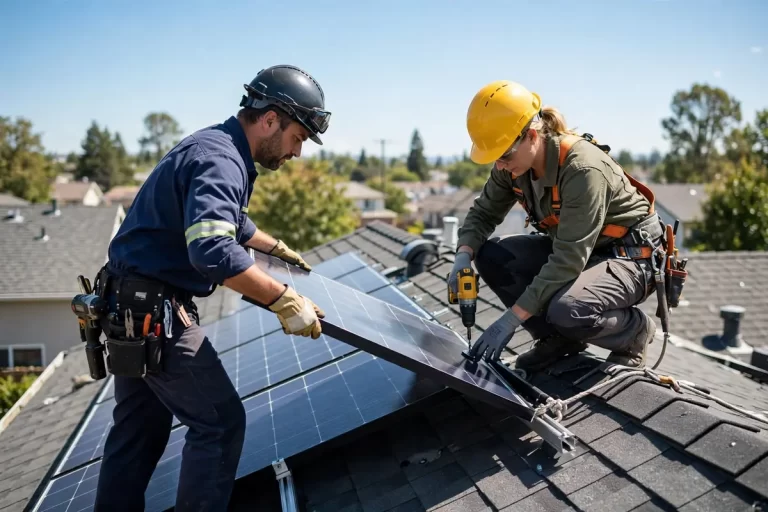
The crew usually arrives between 8:00 and 9:00 in the morning. Expect three to five people: installers for the roof work and an electrician for the wiring. They unload tools, panels, and hardware, then set up roof safety measures. The team lead should introduce himself and confirm the day’s plan with you. This is a good time to ask where they intend to mount the inverter.
Do I need to stay home during installation? It helps, but you do not need to watch every minute. Stay reachable by phone at minimum. The crew needs you for two decisions: confirming the inverter location and signing off at handover. Many homeowners in Wapda Town and Regi Model Town simply work from home that day.
9:00 AM — Roof Layout and Mounting Structure
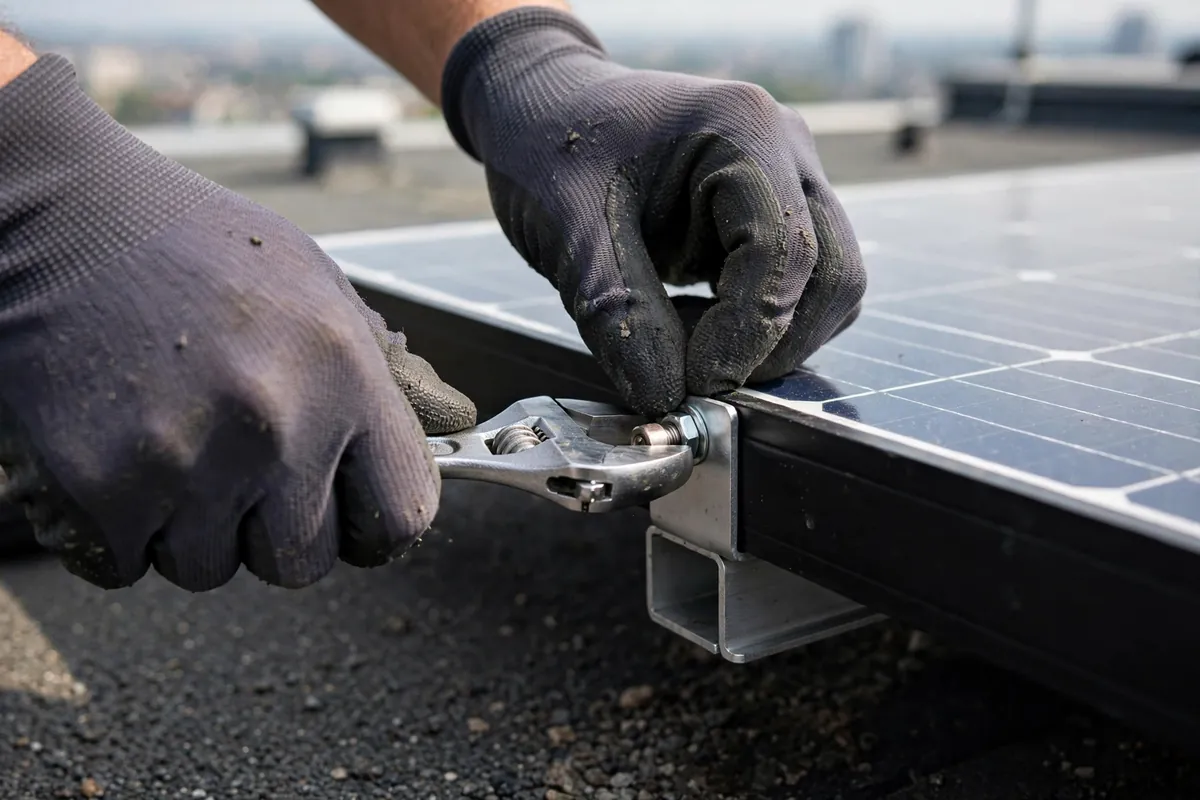
The team marks exactly where each panel will sit. They find the strongest points on your roof for anchors. On concrete roofs common in Peshawar, they fix aluminium rails with anchor bolts. On sheet sections, they use special clamps. This skeleton must be level, firmly fixed, and angled for maximum sunlight.
Will the crew drill holes in my roof? Yes. Small anchor points fix the mounting structure. Every hole gets sealed with waterproofing material. A professional crew seals each point the same day. Ask them to show you the sealing if you are worried.
12:30 PM — Panels Go Up
Once the rails are secure, the panels are lifted to the roof. Each panel is bolted to the rails in neat rows. The crew connects panels together in strings using MC4 connectors. You will see your roof transform quickly during this stage. A 5kW system uses around 9 to 11 panels. This stage moves fast.
2:00 PM — Wiring and Inverter Installation
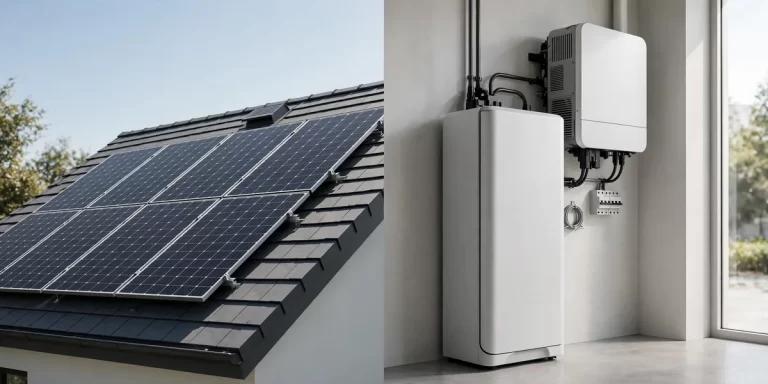
DC cables run from the roof panels down to the inverter. The inverter usually mounts on a shaded wall near your main panel. A garage, veranda, or utility area works well. The electrician connects the inverter to your home’s distribution board through proper breakers. Neat cable management matters — loose, hanging wires signal rushed work.
Will my power stay on during installation? Yes, for almost the entire day. Your home keeps running on PESCO supply as usual. The electrician switches off your main breaker only for a short time. This is usually under an hour. It happens while connecting the solar system to your distribution board. They warn you before doing this.
4:00 PM — Testing and Commissioning
This is the most important stage. The electrician tests every string of panels with a meter. He checks voltage, current, and earthing, verifies breakers trip correctly, and confirms grid sync. If your system has a monitoring app, he connects it to your WiFi now. Never let the crew skip testing — an untested system is not finished.
5:00 PM — Handover Walkthrough
Before leaving, the team lead walks you through everything. He shows the inverter display, the monitoring app on your phone, and the main solar breaker. You receive your paperwork: invoice, warranty cards, and the panel serial number list. Ask every question now — tomorrow the crew moves to another site.
How Long Each System Size Takes
Not every home needs the same time. Use this table to set your expectations.
| System size | Typical panels | Installation time |
|---|---|---|
| 3kW | 5–6 panels | Half day (4–5 hours) |
| 5kW | 9–11 panels | Full day (6–8 hours) |
| 10kW | 18–20 panels | 1–2 days |
| 15kW and above | 27+ panels | 2–3 days |
Can a 5kW system really finish in one day? Yes. A 5kW setup is the most common home system in Peshawar. An experienced crew completes it between morning and evening. Delays usually come from roof complications or late equipment delivery. If your installer promises a 10kW system in half a day, ask how. That timeline is unusually aggressive.
How to Prepare Your Home Before Installation Day
A little preparation makes the day smoother for everyone. Do these six things the evening before.
Clear the roof. Remove old dishes, stored items, or clutter from the area where panels will go. The crew needs clear walking space.
Clear the inverter wall. Decide with your installer where the inverter will mount. Move furniture, boxes, or bikes away from that wall. The electrician needs about two meters of clear space.
Arrange parking. The crew arrives with a loaded vehicle. Keep your gate or street parking free that morning. This matters most in congested areas like Saddar or Gulbahar.
Keep your WiFi password handy. The monitoring app needs your home WiFi. Write the password down. Setup then takes two minutes, not twenty.
Keep children and pets away from the work area. Tools, cables, and open electrical panels are part of the day. Safety first.
Have a recent PESCO bill ready. The installer may need your consumer number. This is for the net metering application filed after installation.
Your Handover Checklist: Check Before the Crew Leaves
Do not let the crew leave until you have checked these items. This ten-minute review protects you for the next 25 years.
Walk the roof visually. Panels should sit in straight, even rows. Rails should feel solid, not wobbly. No cables should hang loose or touch sharp edges.
Check the inverter location. It should be shaded, ventilated, and reachable. You should read its display without a ladder.
Open the monitoring app. Confirm it shows live generation on your phone. If the app is not working on day one, it rarely fixes itself later.
Collect your paperwork. You need the paid invoice, panel warranty cards, inverter warranty card, and a list of panel serial numbers. Photograph everything. Store it safely.
Ask for a system demo. The team lead should show you how to read daily generation. He should show how to restart the inverter safely. He should point out which breaker controls the solar system.
Confirm the net metering next step. Ask exactly when they will file your application. Ask what documents they need from you. Get a date, not a vague promise.
What Happens After Installation Day
Your system starts generating power immediately after commissioning. But the paperwork journey continues. Your installer files a net metering application with PESCO. Your extra daytime units then get credited against your night usage. This approval typically takes 4 to 12 weeks in Peshawar. Until the bidirectional meter is installed, your system still powers your home during the day. You simply do not earn export credits yet.
Watch your monitoring app for the first week. Generation should follow a smooth curve. It rises in the morning, peaks around midday, and falls in the evening. Sharp dips on clear days deserve a call to your installer.
net metering process in Peshawar
Your first PESCO bill will not show dramatic savings yet. Give it two to three billing cycles after net metering activates. That is when the real numbers appear.
3kW solar system for small homes
Frequently Asked Questions
Will my electricity go off during installation?
Almost never for long. Your home runs on PESCO supply the whole day. The main breaker goes off briefly — usually under an hour — while the electrician connects the system. You get warned first.
Do I need to be home on installation day?
You should be reachable at minimum. The crew needs you to confirm the inverter location and to sign off at handover. Most homeowners stay home or work from home that day.
What happens if it rains on installation day?
Light rain usually just delays the start. Heavy rain stops roof work for safety. Your installer reschedules the remaining work, often to the very next day. Panels and equipment are weatherproof, so nothing gets damaged waiting.
Will installation damage my roof?
A professional installation does not damage a healthy roof. Anchor points are small and sealed with waterproofing the same day. Roof damage happens with rushed crews who skip sealing. That is why the handover check matters.
How soon will I start saving money?
Your system generates power from day one, so daytime PESCO usage drops immediately. Full savings appear once net metering is approved and your bidirectional meter is installed. Most homeowners see the real difference within two to three bills.
Can I add more panels later?
Yes, if your inverter and roof space allow it. Tell your installer during the survey that you might expand later. They can size the inverter and structure accordingly. Adding panels later costs more per panel than including them now, so plan ahead if you can.