ENGINEERED FOR PESHAWAR
Solar Panel Installation in Peshawar
Looking for reliable solar panel installation in Peshawar? A well-designed solar system can help you use sunlight to power your property and manage electricity costs. However, good results depend on more than buying solar panels. Your roof, electricity usage, inverter, wiring, and installation quality all matter.
Send a photo of your PESCO bill. We reply with a size and a price range.
300+
Installations
5.0
Rating
30 Years
Panel Warranty
itel Energy
Certified
Zain Solar System helps customers explore solar equipment and installation options based on their energy needs. Whether you own a home, shop, office, or commercial property, the first step is understanding how much electricity you use.
Our approach focuses on practical system planning, suitable equipment, safe installation, and clear guidance. You should know what your system includes before approving the work.
Reason
Why Professional Solar Panel Installation Matters
Solar panels need the right placement, secure mounting, and correctly connected electrical components. Poor installation can reduce performance and create avoidable maintenance problems.
A professional assessment considers roof space, sunlight, shade, electrical loads, and the condition of existing wiring. It also helps determine whether your property needs an on-grid, hybrid, or off-grid system.
Peshawar experiences hot summers, cooler winters, dust, and seasonal weather changes. Your installer should consider these conditions when planning panel placement and maintenance access.
A suitable installation can help you:
- Generate electricity during sunny hours.
- Reduce your reliance on grid electricity when solar power is available.
- Support essential appliances with a suitable battery backup system.
- Monitor system performance and identify potential issues.
- Plan equipment capacity around your current and future electricity needs.
Does installing solar automatically eliminate electricity bills?
No. Your results depend on electricity consumption, system size, sunlight, equipment, and applicable billing rules. A proper assessment provides a more realistic estimate than a generic savings promise.
Solar Installation for Different Property Types
Every property uses electricity differently. A suitable system should match your daily consumption rather than follow a standard package without assessment.
Solar Installation for Homes
Homes often use electricity for fans, lights, refrigerators, washing machines, water pumps, and air conditioners. Some households also need backup power during outages.
Start by reviewing your electricity bills and listing the appliances you use most. Note which appliances run during daylight and which must operate during power cuts.
This information helps determine the required solar capacity and whether battery storage makes sense. It also helps avoid paying for equipment that does not support your actual needs.
Solar Installation for Shops and Offices
Shops and offices may run lights, computers, printers, refrigerators, security systems, and cooling equipment. Their electricity demand often changes throughout the working day.
A daytime-focused system may suit businesses that operate mainly during sunlight hours. A hybrid setup may be more suitable when backup power is important.
Before installation, consider business hours, essential equipment, roof access, and any planned expansion. The installer should also explain how installation work may affect daily operations.
Solar Installation for Commercial Properties
Larger commercial properties may require a more detailed load assessment. Workshops, clinics, schools, warehouses, and other facilities can have different electrical requirements.
Three-phase connections, heavy machinery, motor loads, and high starting currents may affect equipment selection. The design should also account for safe cable routing and electrical protection.
Do not select a system based only on the monthly bill. Two properties with similar bills may have very different load patterns.
Service
What Is Included in Solar Panel Installation?
A complete installation involves more than placing panels on a roof. Ask your installer to explain which components, services, and checks are included in the quotation.
A typical installation may include:
Solar panels selected for the proposed system.
An inverter compatible with the panels and electrical supply.
Mounting structures suited to the roof or installation surface.
Suitable DC and AC cables, connectors, and protective devices.
Earthing and other required electrical safety measures.
Battery storage, if included in the approved design.
System testing and a handover explanation.
The exact scope depends on your property and system type. Some quotations exclude civil work, roof repairs, utility approvals, or monitoring accessories.
What should you check before accepting a quotation?
Request an itemized quote showing equipment models, quantities, installation charges, warranty terms, exclusions, and payment conditions. Confirm whether the quoted price includes commissioning and after-sales support.
Choosing the Right Solar System for Your Property
The correct system size depends on energy use, available roof space, sunlight, and the equipment you want to operate. An installer should review your electricity bills and essential loads before recommending capacity.
|
System planning factor |
Units per day, per 1 kW |
|
Monthly electricity bills |
Helps reveal consumption patterns and seasonal changes |
|
Daytime electricity use |
Shows how much solar generation you may use directly |
|
Essential appliances |
Helps identify loads that may need backup |
|
Roof area and shading |
Affects panel placement and potential generation |
|
Inverter capacity |
Determines the loads and solar input the inverter can support |
|
Battery requirements |
Influences backup duration and total system cost |
|
Future expansion |
Helps avoid an unsuitable design if your needs increase |
A 5 kW system will not suit every property with a similar electricity bill. Appliance demand, operating hours, and backup requirements can change the design.
Your installer should explain the recommended capacity and its limitations. Ask for expected generation estimates and the assumptions behind them.
On-Grid, Hybrid, or Off-Grid?
An on-grid system works with the utility supply and usually does not provide backup during a grid outage unless designed with suitable backup equipment. A hybrid system can combine solar, grid electricity, and batteries.
An off-grid system operates without relying on the utility grid. It requires careful sizing of both solar generation and energy storage.
Your choice should reflect your property, outage concerns, budget, and applicable regulations. Do not assume every solar system will power your appliances during load-shedding.
Our Solar Panel Installation Process
A clear process helps you understand what happens before, during, and after installation. It also makes it easier to compare quotations from different solar installers in Peshawar.
Site Evaluation and Electricity Load Assessment
The first step is reviewing your property and electricity needs. Your installer should check available roof space, shading, mounting options, and the electrical setup.
Share recent electricity bills and identify your essential appliances. If you run a business, explain your operating hours and any equipment with high starting loads.
For properties around Hayatabad, University Town, Peshawar Cantt, Saddar, and the Ring Road area, access and roof conditions can vary considerably. The actual site assessment should determine the best layout.
Solar System Design and Equipment Selection
After the assessment, the installer can propose a system based on your needs. The design should identify the solar capacity, inverter type, mounting arrangement, and any battery storage.
Ask why each major component suits your property. Check the exact model numbers and warranty documents rather than relying on brand names alone.
The U.S. Department of Energy also recommends reviewing roof suitability, energy needs, and installer proposals before committing to a solar project. Its guide provides a useful planning checklist, although local requirements in Pakistan may differ. Read the Department of Energy’s solar guide.
Quotation and Installation Planning
Review the quotation before confirming the project. It should explain the equipment, labour, included accessories, exclusions, payment schedule, and warranty arrangements.
Confirm the expected installation schedule and any preparation required from your side. If the property is rented, obtain the owner’s written permission before work begins.
For shops and offices, agree on working hours and access arrangements. This can help reduce disruption during installation.
Panel Mounting and Electrical Installation
The installation team positions and secures the mounting structure before fitting the panels. The layout should allow suitable spacing, cable routing, and access for future maintenance.
Installers then connect the panels, inverter, and other approved components. They should use suitable cables, connectors, protective devices, and earthing arrangements.
Do not attempt to connect solar equipment to live electrical circuits yourself. Electrical installation should be handled by qualified professionals using appropriate safety procedures.
System Testing and Handover
Before handover, the installation team should inspect connections and test the system according to the equipment instructions. The installer should explain normal operation, shutdown procedures, and any monitoring features.
Request the equipment manuals, warranty documents, final system details, and contact information for support. Keep these records in a safe place.
You should also know whom to contact if the inverter displays an error or generation falls unexpectedly.
Solar Installation in Peshawar and Nearby Areas
Peshawar includes residential streets, busy commercial zones, and larger properties with different installation needs. A site near University Road may have different roof access from a shop in Saddar or a property close to Ring Road.
Hayatabad, Tehkal, Nasir Bagh Road, and Karkhano Market are useful local reference points when discussing a property’s location. However, suitability depends on the actual roof, electrical supply, and site conditions.
When requesting an assessment, share your exact area and property type. This helps the installer understand access requirements and arrange the next steps.
If your property is outside central Peshawar, confirm service availability before scheduling a visit. Coverage should be agreed upon directly rather than assumed from a general location statement.
Solar Installation Cost Factors
There is no single price for every solar installation in Peshawar. The final cost depends on the system’s capacity, equipment, mounting requirements, wiring, and installation complexity.
The main cost factors include:
Solar panel
Brand, Wattage, & Quantity
Inverter
Type, Capacity, & Features.
Battery
Type, Warranty, & Capacity.
Roof height
Access, & Mounting structure
Cable
Lengths, Protective devices.
Monitoring features
Civil work, & Additional Services
A lower quotation may exclude important accessories or support. Compare the full scope rather than choosing only by total price.
Can you receive an accurate quote without a site assessment?
You can request an initial estimate using your electricity bills and property details. A final quotation may require a site inspection and confirmation of equipment requirements.
Ask for the quote in writing. It should clearly separate equipment costs, installation charges, optional items, and exclusions.
SOLAR CALCULATOR
Estimate Your Solar System Size
Enter your monthly bill and load shedding hours to get an instant system size estimate.
Monthly electricity bill (PKR)
Daily load shedding hours
Solar Installation Safety, Warranty and After-Sales Support
A reliable installation requires suitable equipment and careful electrical work. Ask about cable sizing, protection devices, earthing, mounting security, and safe inverter placement.
Review each warranty separately. Solar panels, inverters, batteries, and installation workmanship may have different coverage terms.
Confirm who handles warranty claims and whether labour or transport charges apply. Do not assume every component has the same warranty period.
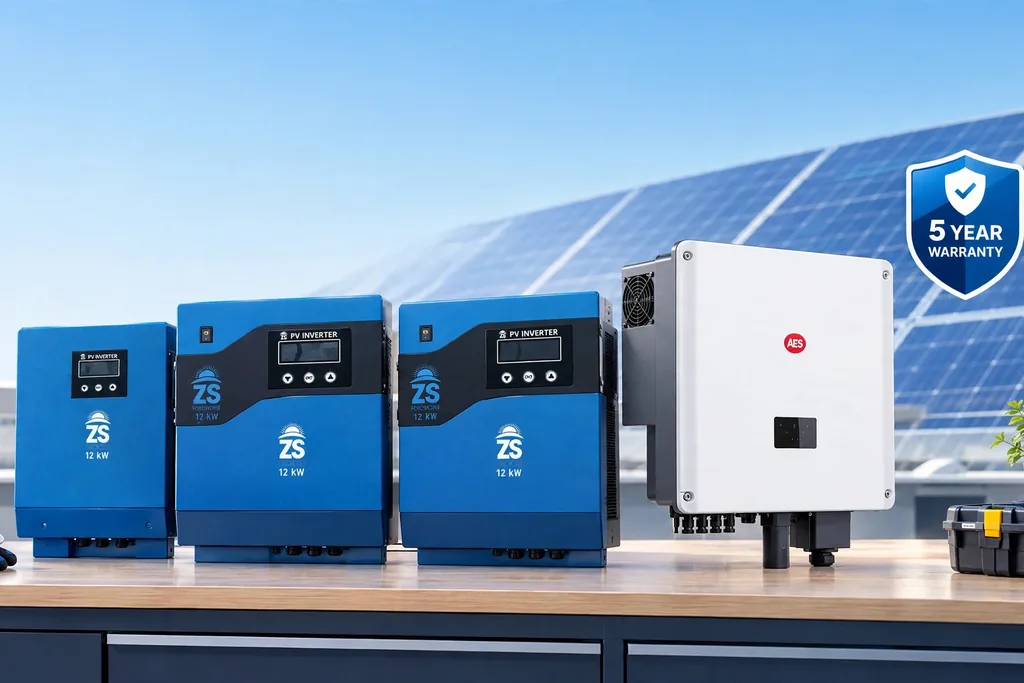
Zain Solar System can discuss available equipment and installation options with you. Confirm the current scope of service, equipment availability, and written warranty conditions before placing an order.
Keep your system manuals and installation records. Arrange cleaning and inspections when needed, especially if dust accumulates or you notice changes in system performance.
Common Solar Panel Installation Problems and How to Avoid Them
Many installation problems can be reduced through proper planning and clear communication.
Choosing the wrong system size
Review your consumption and essential loads before approving the design.
Ignoring roof condition
Repair significant roof issues before mounting equipment. Check whether the roof can safely support the proposed structure.
Focusing only on panel price
Compare the inverter, protection devices, mounting structure, wiring, labour, and warranty terms.
Expecting battery backup from every system
Confirm the system’s behaviour during a grid outage before purchasing.
Overlooking future maintenance
Ask how to access the panels safely and whom to contact for support.
Assuming utility approval is automatic
Check current requirements before planning any grid-connected arrangement or export of electricity.
Pakistan’s electricity rules can change. For current regulatory information, consult NEPRA’s official website and confirm the process that applies to your connection. Requirements may depend on the applicable rules and your distribution company.
FAQS
Frequently Asked Questions
Request a Solar Panel Installation Assessment
The right solar system starts with your electricity needs, property conditions, and budget. A clear assessment helps you compare options without paying for equipment you do not need.
Contact Zain Solar System to discuss your property in Peshawar and explore suitable installation options. Share your recent electricity bill, property type, and backup requirements to help start the assessment.
Before approving the project, request an itemized quotation and confirm the equipment models, installation scope, warranty terms, and support arrangements. Choose a system based on clear information, safe installation practices, and realistic expectations—not promises of guaranteed savings.